Travels
Where in the world
is Asaya now?
Tea is best understood where it grows. These are notes from the tea regions Asaya visits, and the teas he finds along the way.
Sample entries. The trips on this page were written for the demo to show how it works. They are not a record of Asaya’s real travels; he will replace them with his own.
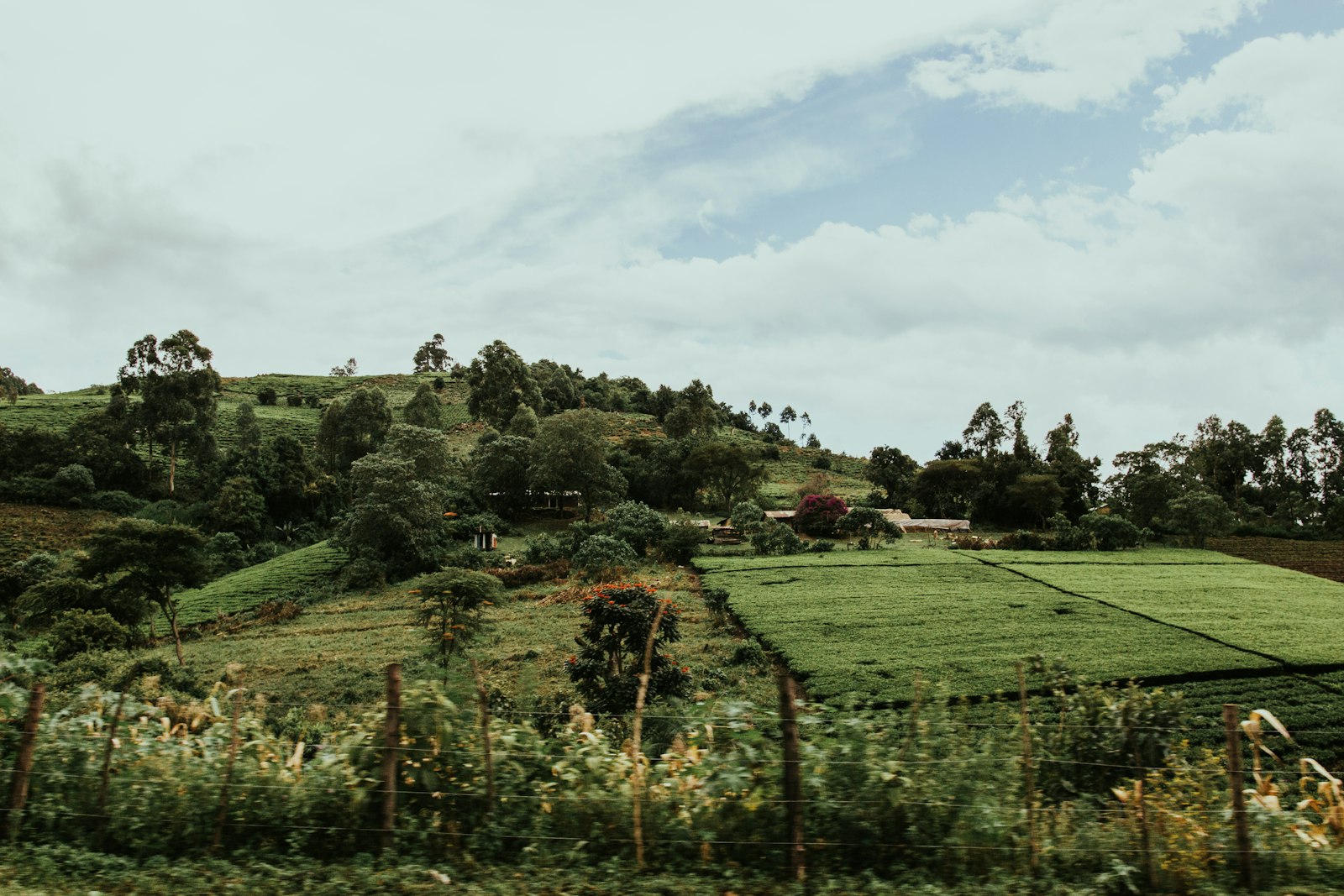
Currently in Sample entry
Kericho highlands, Kenya
Among the high green tea fields west of the Rift Valley, learning how Kenya's strong, bright black teas are grown and made.
Read the notes
Sample entrySeptember 2026 · Kenya
Kericho highlands
Kenya is one of the world's biggest tea exporters, and much of its tea grows in the highlands around Kericho, close to the equator and high above sea level.
With rain through much of the year, tea can be picked almost year-round. Most Kenyan tea is black, and much of it is made by the CTC method into strong, coppery tea; some gardens also make whole-leaf teas.
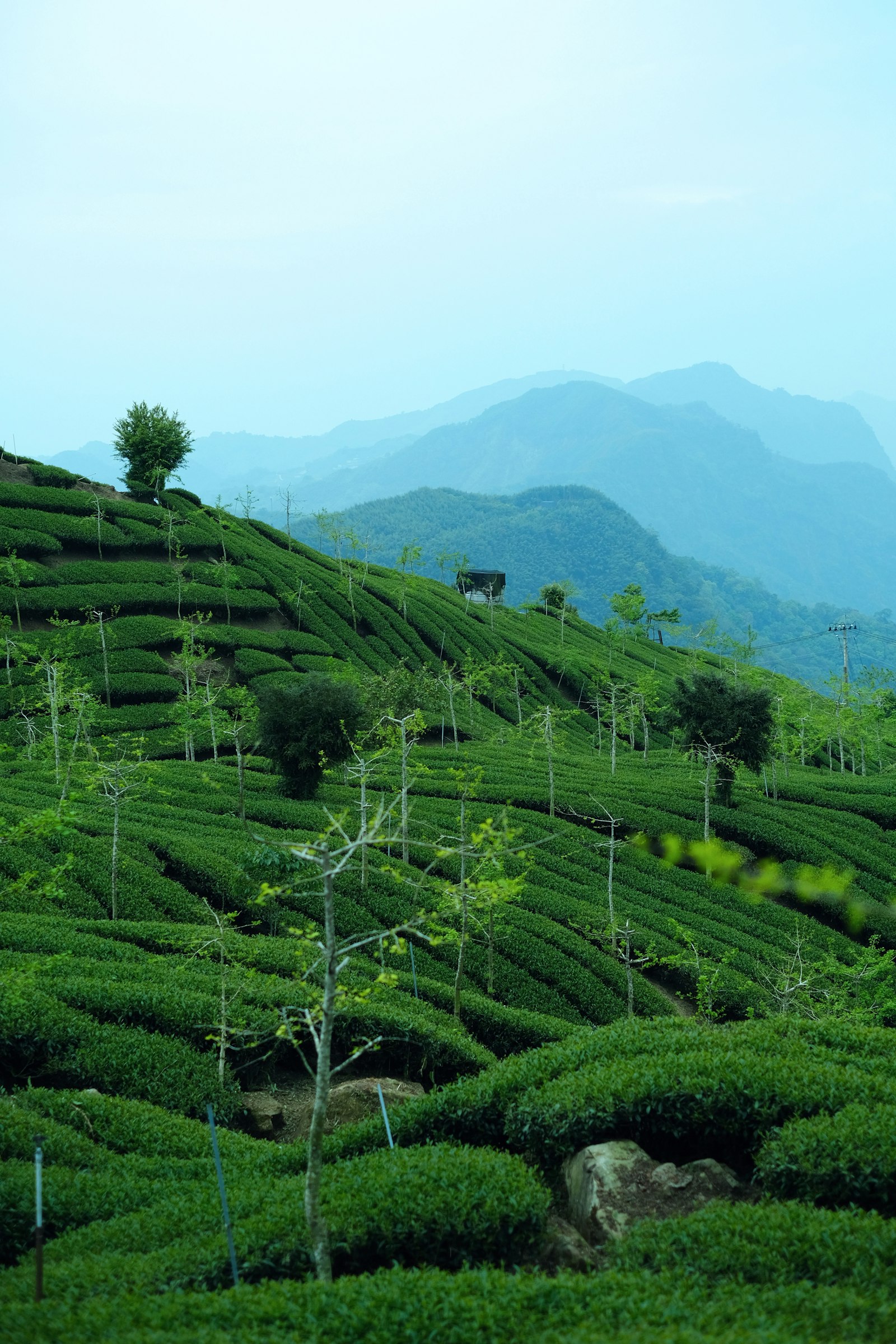
Sample entryJune 2026 · Taiwan
Alishan
Alishan's tea gardens sit high in the mountains, often above 1,000 metres, where mist and cool nights slow the growth of the leaf.
The leaf is lightly oxidised and rolled into tight balls to make high-mountain oolong: floral, creamy and able to unfold through many gongfu infusions.
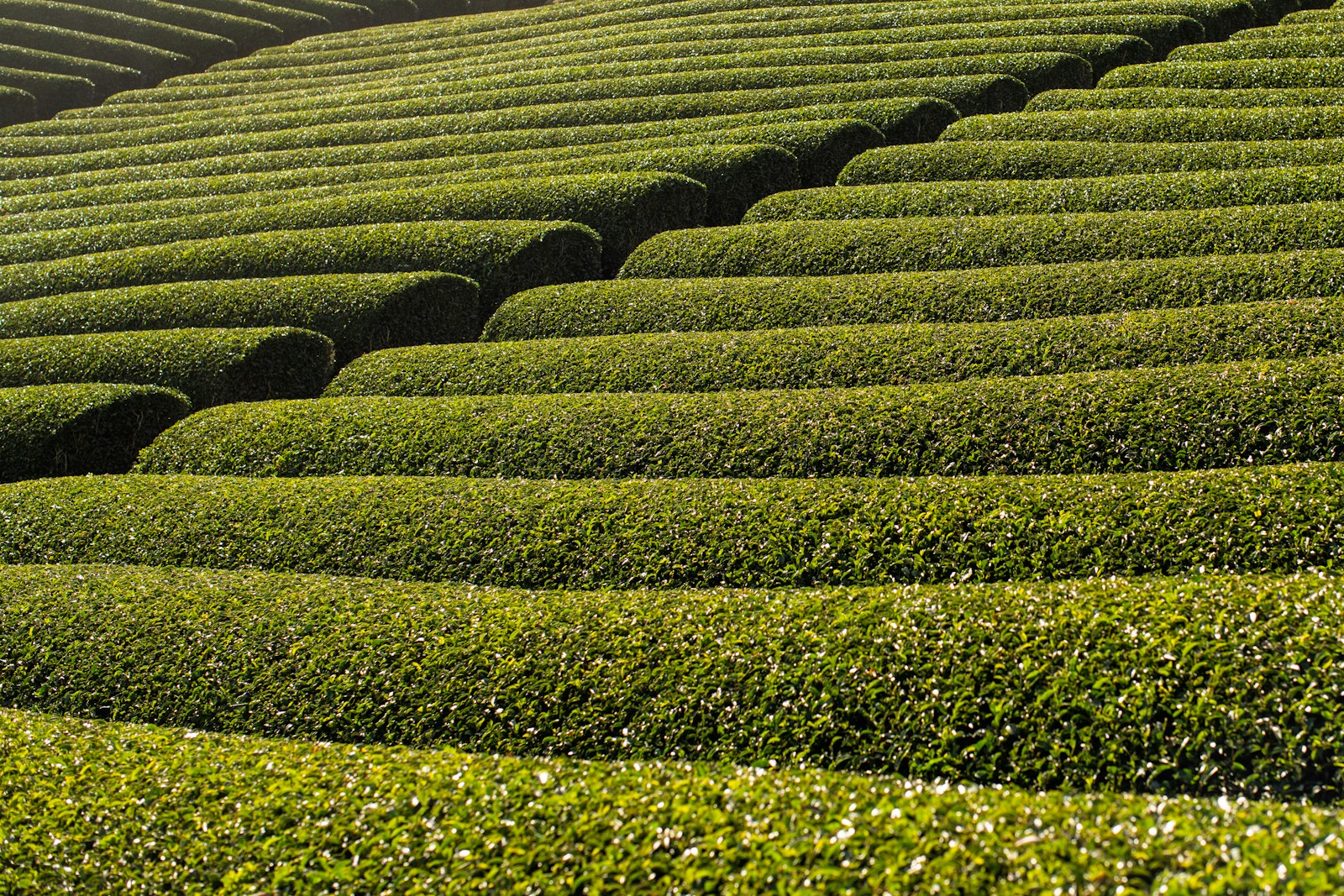
Sample entryMay 2026 · Japan
Uji, near Kyoto
Uji has been known for tea for centuries and is especially famous for shaded teas. Weeks before picking, the bushes are covered to keep out most of the sunlight, which deepens their colour and savoury flavour.
Shaded leaf becomes gyokuro, or tencha, which is stone-ground into matcha. Late spring is also shincha season, when the first sencha of the year arrives.
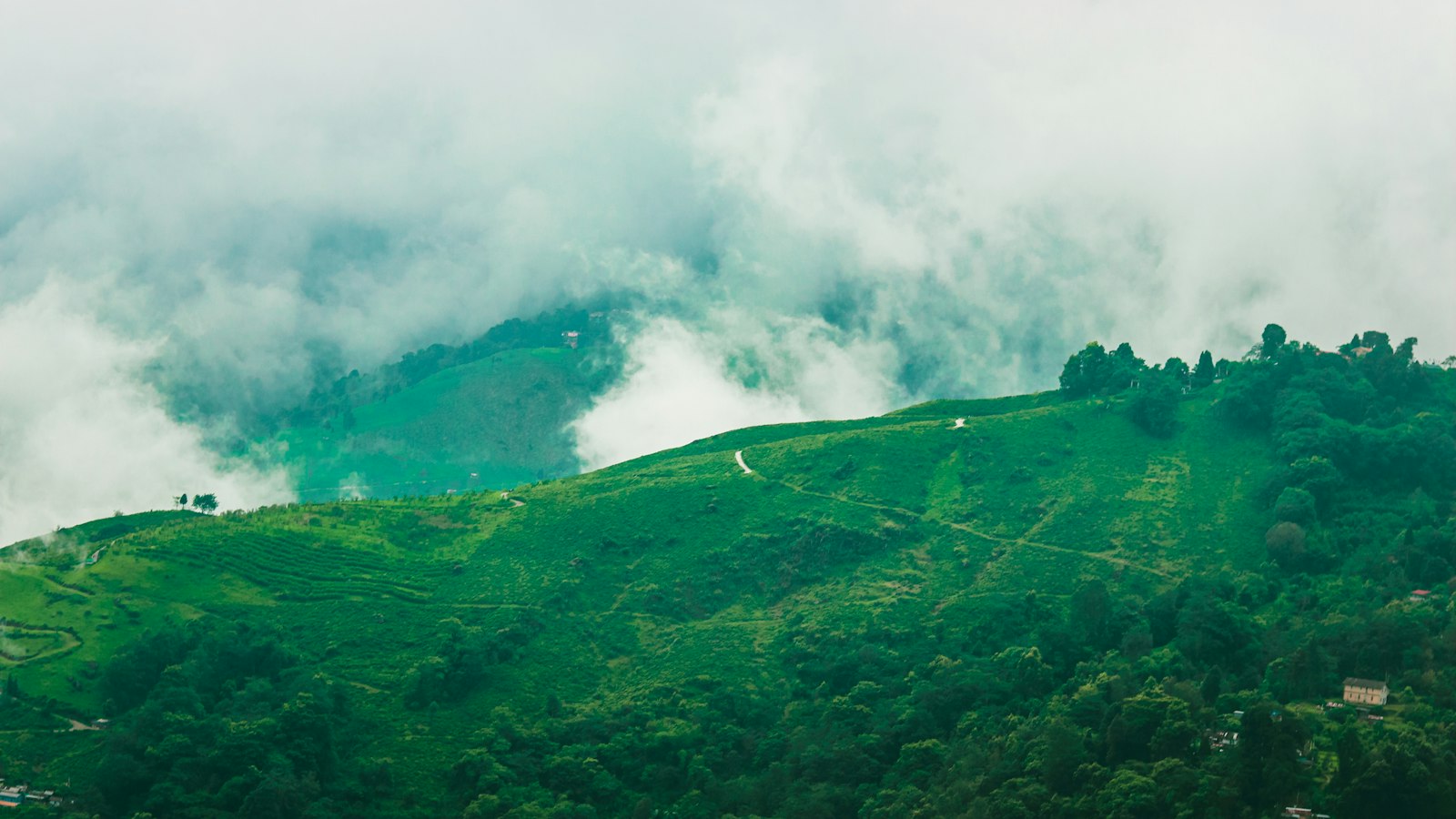
Sample entryApril 2026 · India
Darjeeling hills
Darjeeling's gardens cling to steep Himalayan slopes, often wrapped in cloud. The cool, high climate makes the tea grow slowly, and that slow growth is part of its delicate flavour.
The spring first flush is light, bright and flowery, often called the champagne of teas; the second flush in early summer is rounder and fruitier.
Sample entryApril 2026 · China
West Lake, Hangzhou
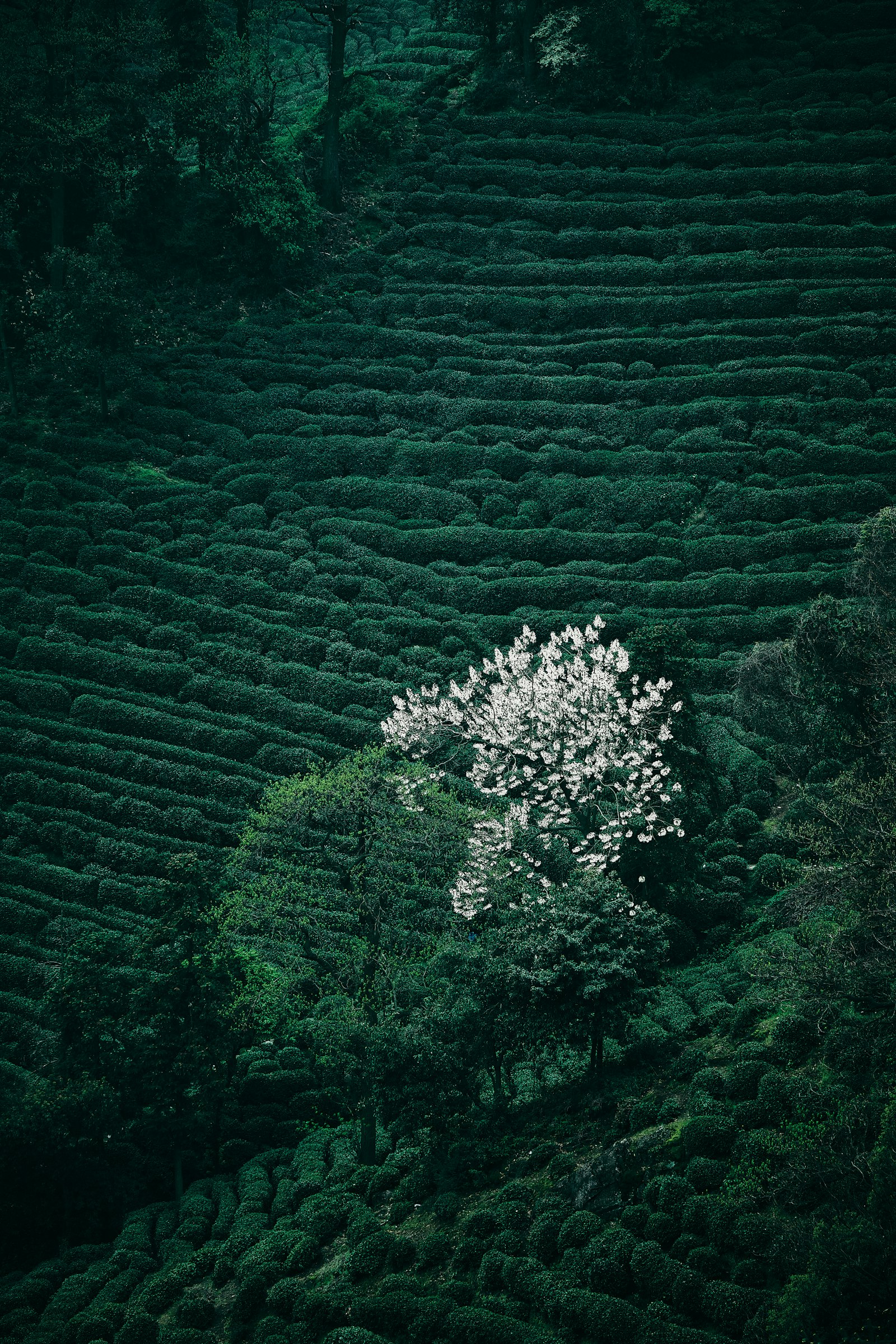
The hills around Hangzhou's West Lake are home to Longjing, or Dragon Well, one of China's most famous green teas.
The most prized leaf is picked in early spring, before the Qingming festival. It is pan-fired by hand in hot woks, pressed flat against the metal, which gives Dragon Well its flat, jade-green leaves and toasty, chestnut-like sweetness.
Sample entryMarch 2026 · China
Xishuangbanna, Yunnan
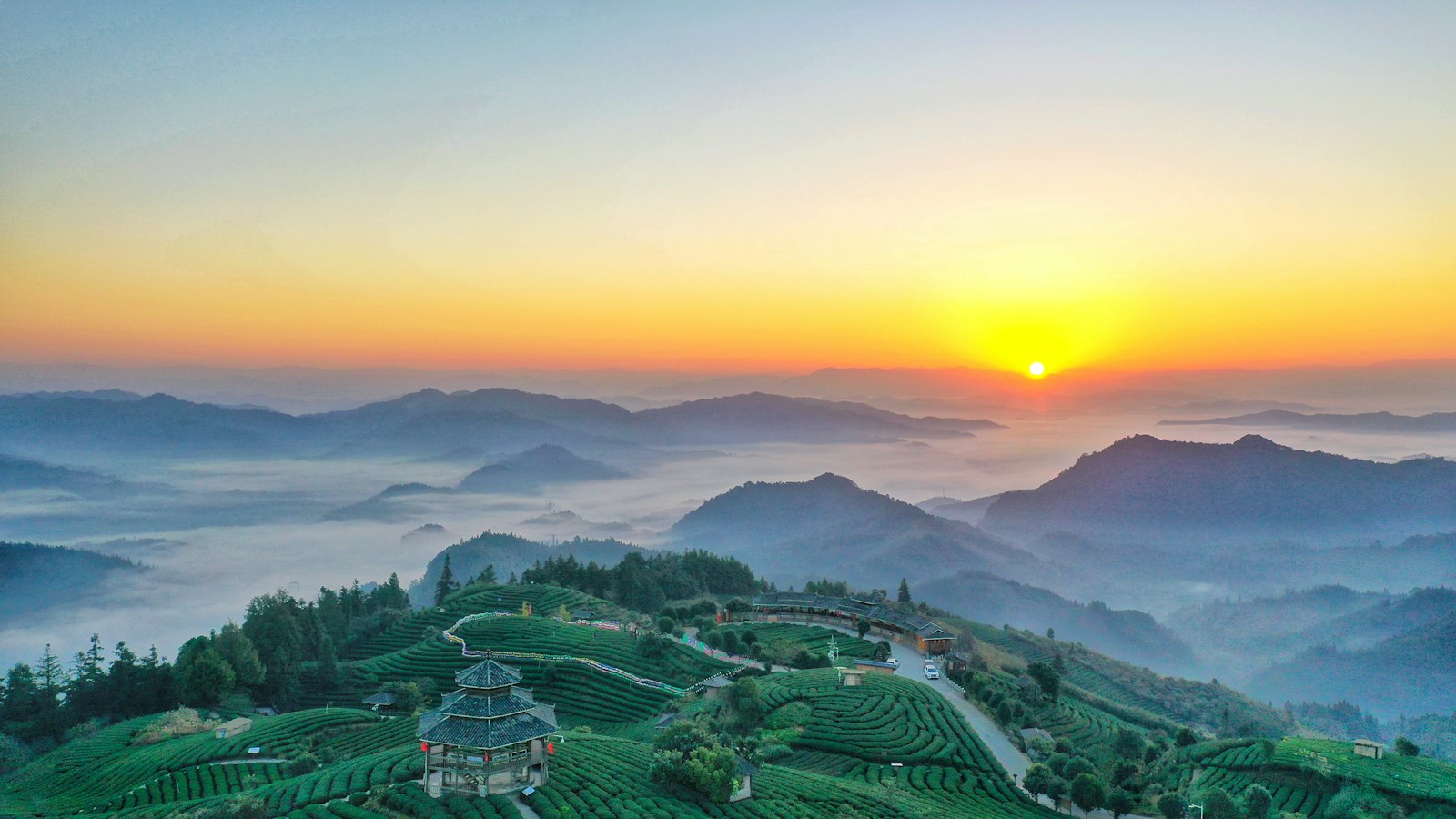
Southern Yunnan is where many people believe the tea plant first grew, and some of its tea trees are hundreds of years old. The large-leaf variety that grows here is the raw material for pu-erh.
Spring is picking season. Fresh leaf is withered, pan-fired, rolled and sun-dried into maocha, which can then be pressed into cakes to age slowly or piled and fermented to become ripe pu-erh.