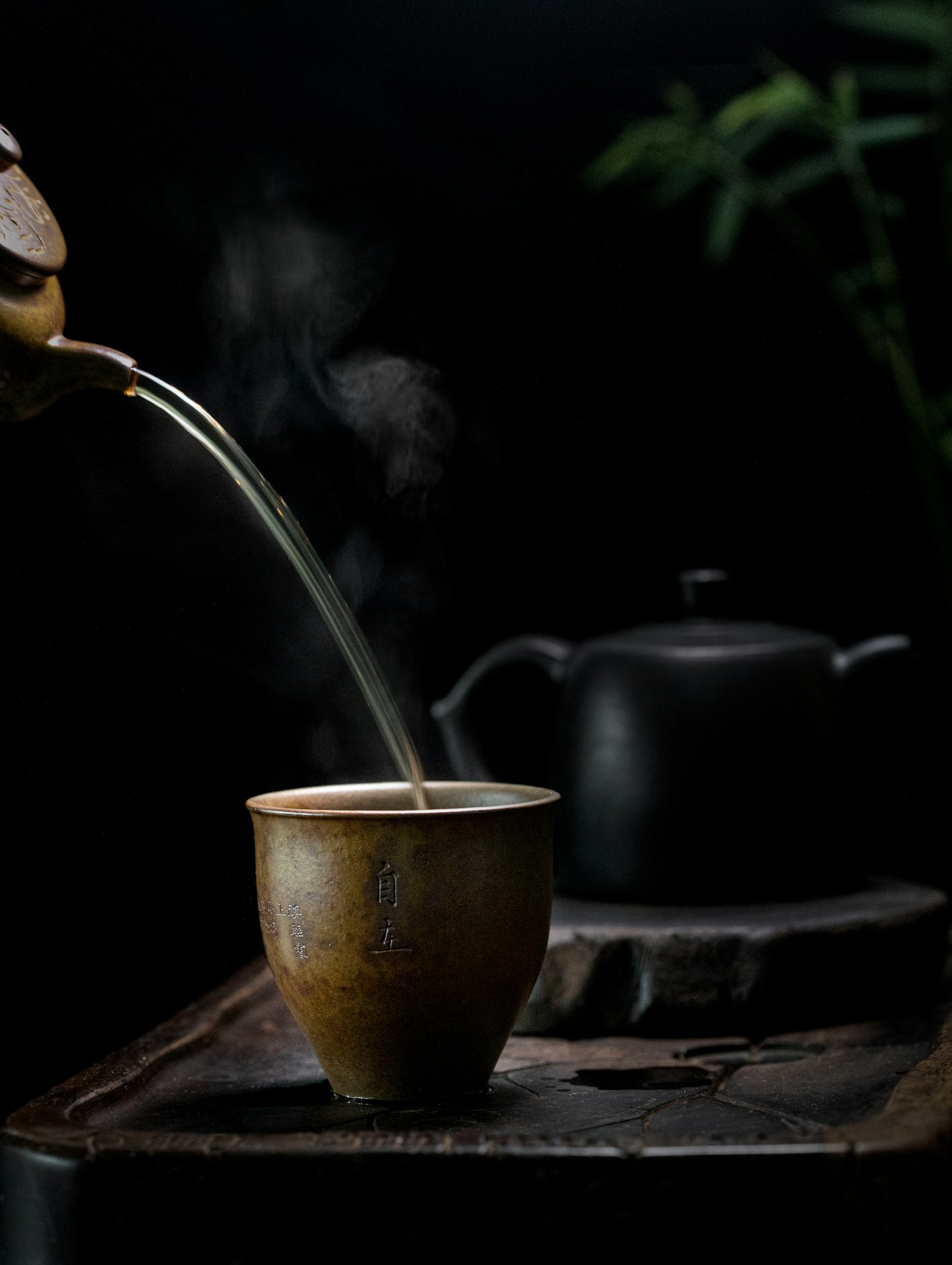
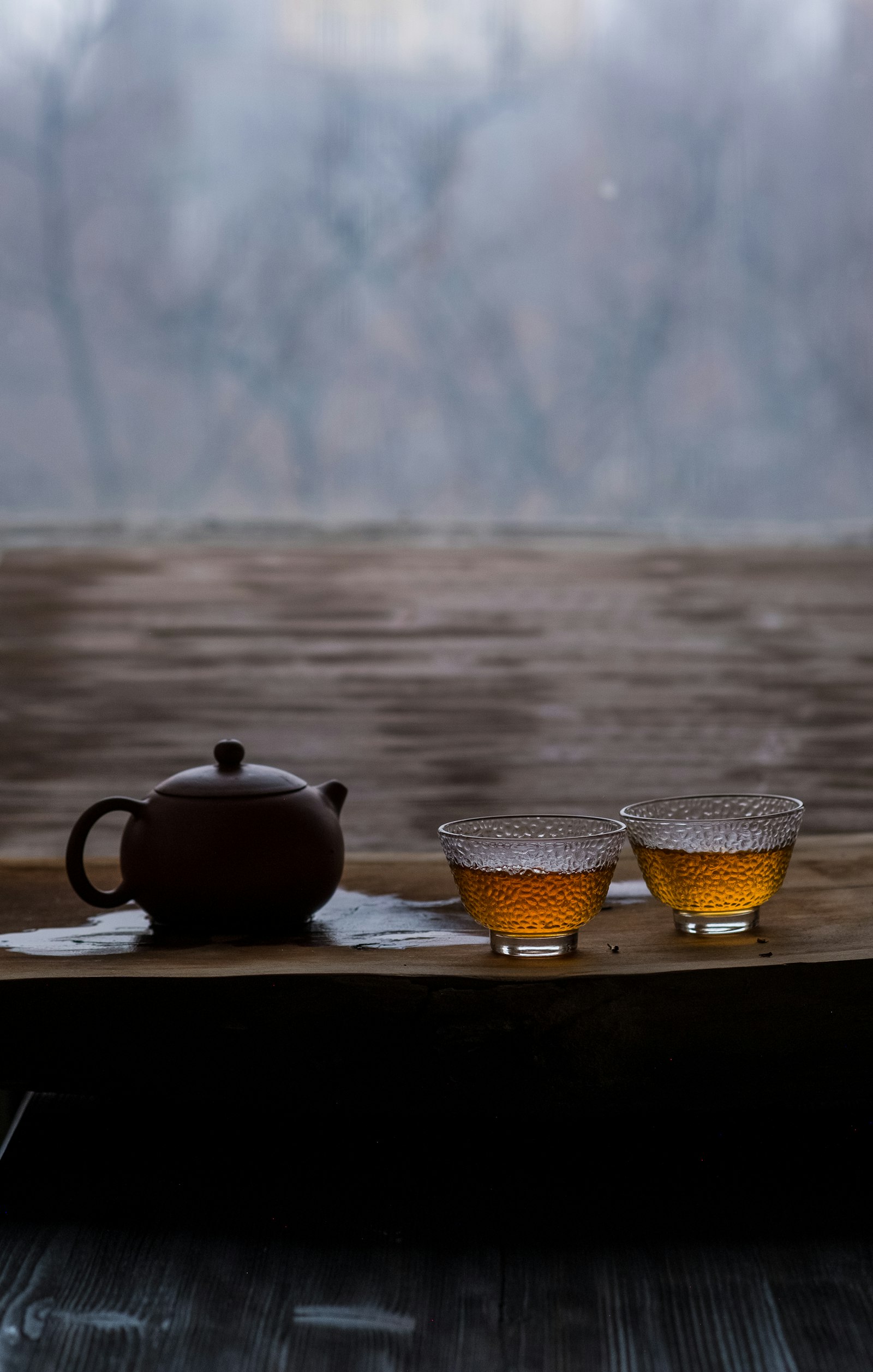
Notes & tasting · 6 min read
How to taste tea like a professional
Tea buyers and judges taste in a particular way. You can borrow their habits at home to notice far more in every cup.

Professional tasters compare many teas side by side, brewed exactly the same way, so that the only difference is the tea. The international standard for this (ISO 3103) uses about 2 g of leaf per 100 ml of freshly boiled water for six minutes. That is strong, deliberately: flaws have nowhere to hide.
Four things to look at
- The dry leaf. Whole or broken? Buds? Even in size and colour? Smell it.
- The liquor. Its colour and clarity. A bright, clear cup usually means careful processing.
- The taste. Take a small sip and slurp it with a little air, spreading it over your whole tongue. Notice sweetness, bitterness, sourness and savoury depth, then texture (thin or thick, smooth or drying).
- The wet leaf. Smell it straight after brewing, then look at it opened out.
The finish
Pay attention after you swallow. Does the flavour vanish, or stay? Many great teas leave a sweetness that rises in the throat a few moments later. Chinese tea drinkers call it hui gan, the “returning sweetness”.
Finding words
Most of us know far more smells than we can name. Start with big groups: floral, fruity, vegetal, nutty, sweet, spicy, woody, earthy, roasted, marine. Then get specific: not “fruit” but apricot, grape, dried plum. Tasting two teas side by side makes the words come much more easily.
Try it at home
- Brew two or three teas with the same leaf weight, water and time, in identical white cups.
- Taste from lightest to darkest.
- Write one line for each before you compare notes with anyone else.
On the road: Darjeeling hills.