Notes & tasting · 5 min read Sample text
Notes from the tea conference circuit
Asaya goes to tea conferences to learn from growers, makers and fellow tea lovers. These are the kinds of big ideas that come up again and again.
Sample notes. This page was written for the demo to show what Asaya’s conference notebook could look like. Asaya will replace it with his own notes from the conferences he attends.
Processing matters as much as place
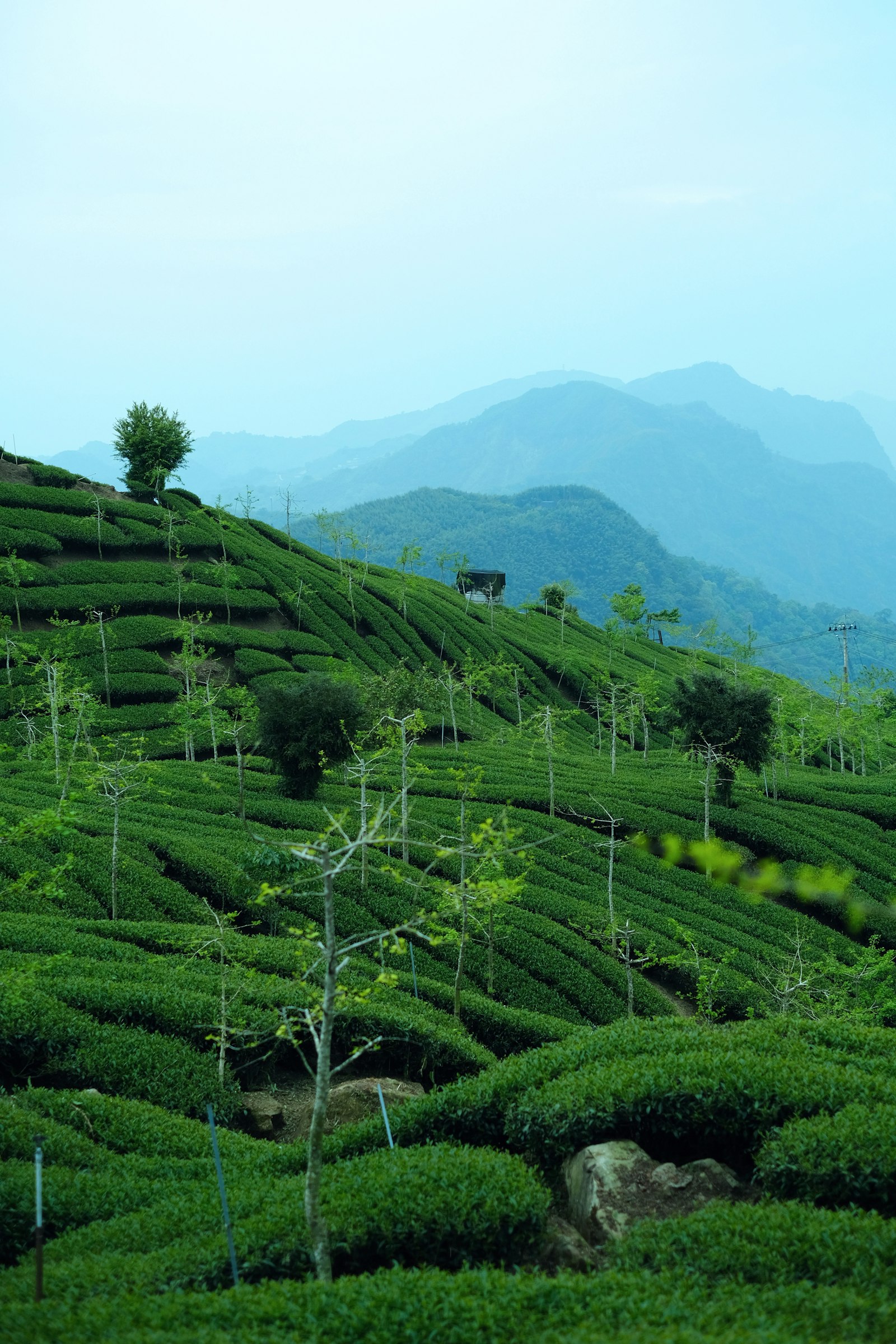
The same leaf from the same garden can become green, oolong or black tea. Growers and makers talk as much about withering, oxidation and roasting as about origin, and single-garden teas increasingly name the maker as well as the region.
Cultivars have personalities
Just as wine has grape varieties, tea has cultivars: plants selected for their flavour, hardiness or leaf shape. Some are famous in their own right, and more and more teas are sold by cultivar name.
Freshness and storage
Green and lightly oxidised teas are at their best when fresh, while some teas, like pu-erh and certain oolongs, are made to change with age. Knowing which is which, and storing each properly, makes a big difference.
Water is part of the recipe
The mineral content of water changes how tea tastes. It is one of the easiest things to experiment with at home.
Growers, climate and fair prices
Tea is grown by people, many on small farms. Changing weather affects harvests, and there is lively discussion about how buyers and drinkers can support growers fairly and help keep traditional tea-making alive.
A shared language for flavour
Tasting wheels and shared vocabularies help people describe tea clearly across languages and cultures. See How to taste tea like a professional.