Tea origins
Eight places,
one plant (mostly).
Almost every tea comes from the same plant, Camellia sinensis. What changes it is where it grows and how it is made. Rooibos, mate and herbal infusions are the delicious exceptions.
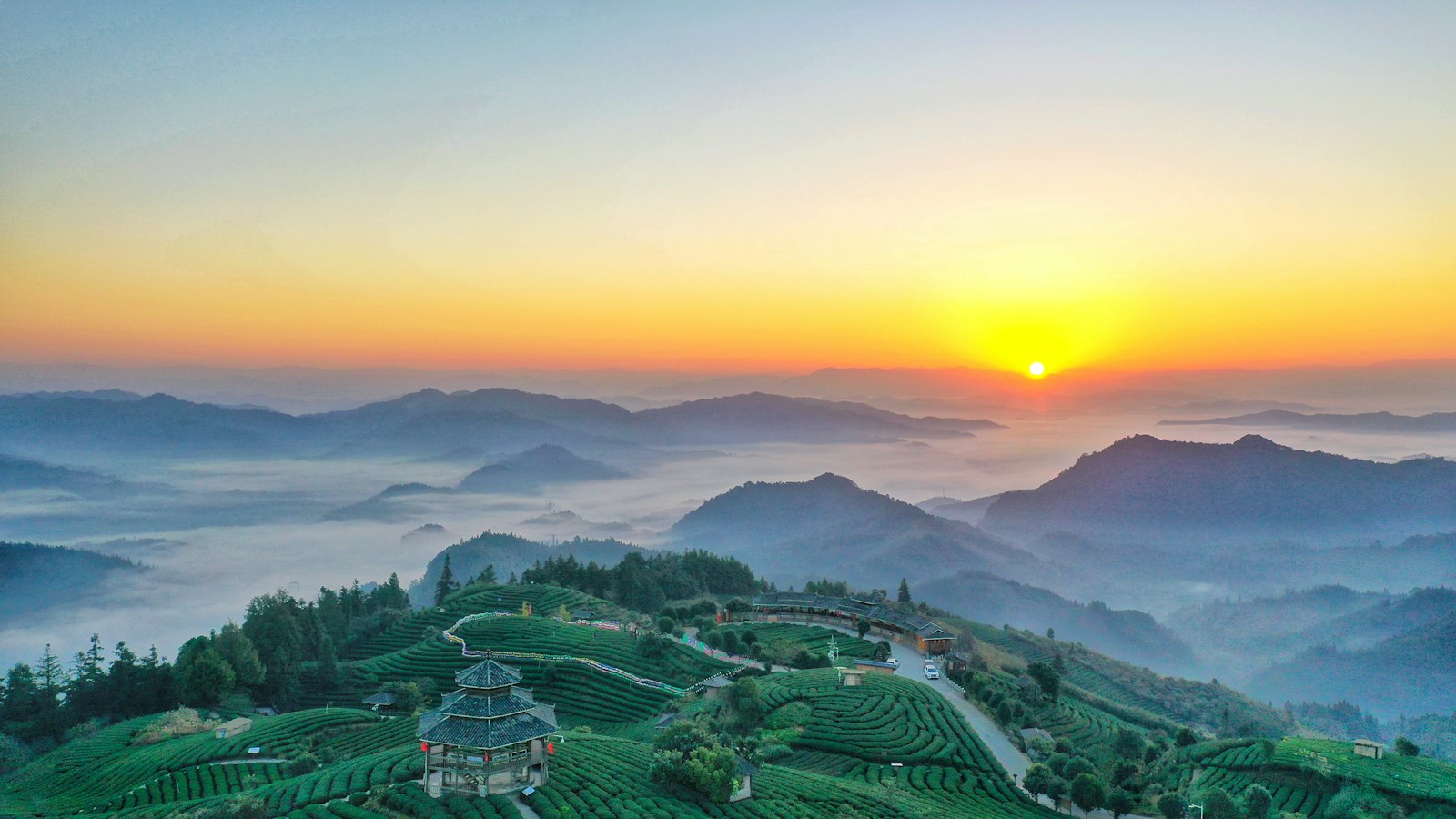
Where tea began
China
Tea has been grown and drunk in China for thousands of years, and nearly every style of tea is still made there. Each province has its own traditions, and many famous teas are named after the mountain or village they come from.
Regions to know
- Zhejiang: Dragon Well (Longjing) green tea from the hills around Hangzhou
- Fujian: white tea from Fuding, and rock oolong from the cliffs of the Wuyi Mountains
- Yunnan: pu-erh from old tea forests, and golden-tipped black tea
- Anhui: Keemun black tea and Huangshan green teas
Read: The families of tea, explained and Gongfu brewing, step by step. On the road: Xishuangbanna, Yunnan and West Lake, Hangzhou.
In the tea cellar: West Lake Dragon Well, Silver Needle White, Yunnan Golden Tips, Wuyi Rock Oolong “Big Red Robe”, Ripe Pu-erh (Shou) and Raw Pu-erh (Sheng).
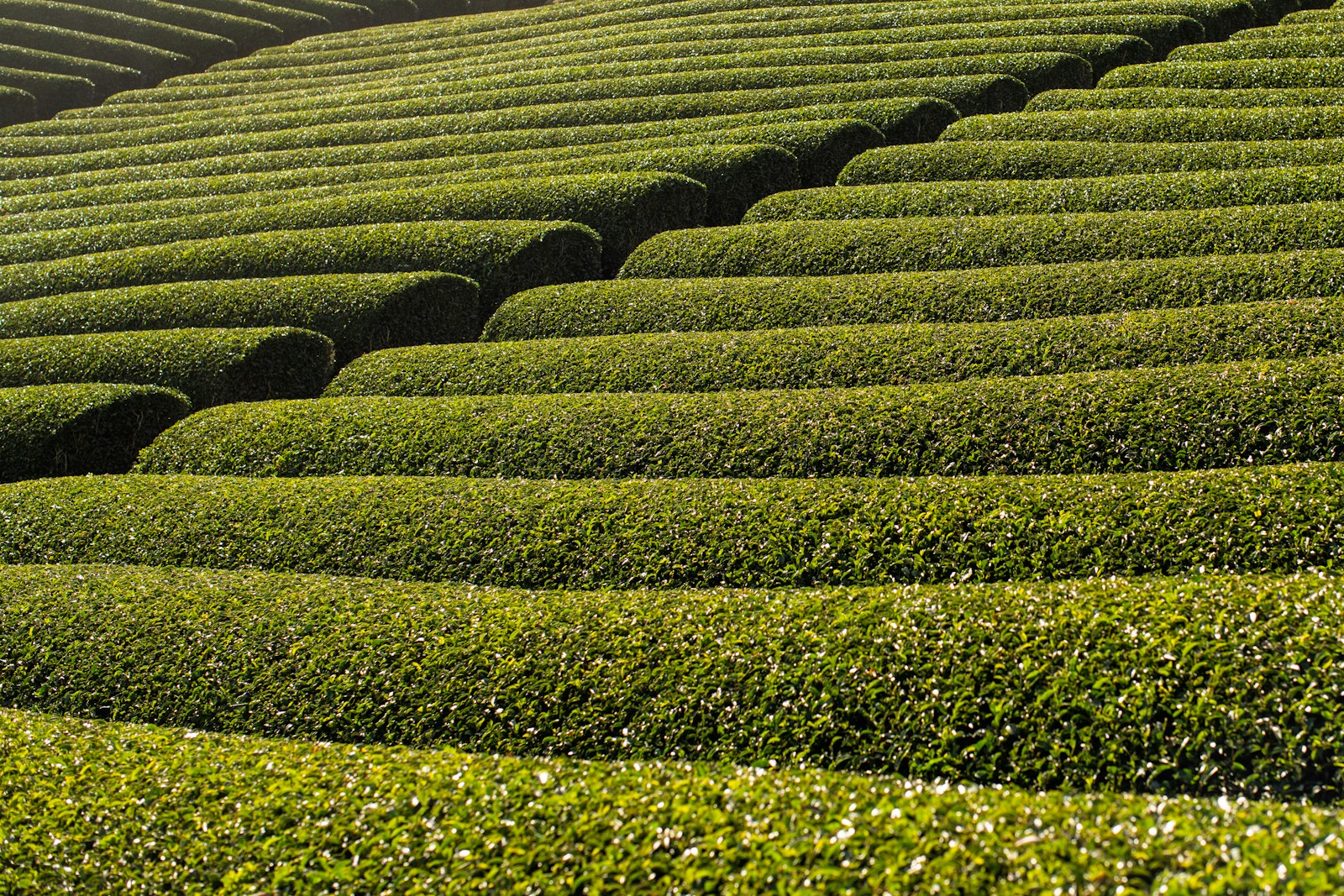
Steamed greens & matcha
Japan
Japanese green tea is steamed rather than pan-fired, which keeps it vivid green and gives it a savoury, brothy depth. Shading the bushes before picking, for gyokuro and matcha, deepens that flavour even more.
Regions to know
- Shizuoka: where much of Japan’s sencha grows, in view of Mount Fuji
- Uji, Kyoto: famous for matcha and shaded teas such as gyokuro
- Kagoshima: in the warm south, where the first teas of spring are picked
Read: Brewing Japanese sencha and How to whisk matcha. On the road: Uji, near Kyoto.
In the tea cellar: Asamushi Sencha, Shade-Grown Gyokuro and Ceremonial Matcha.
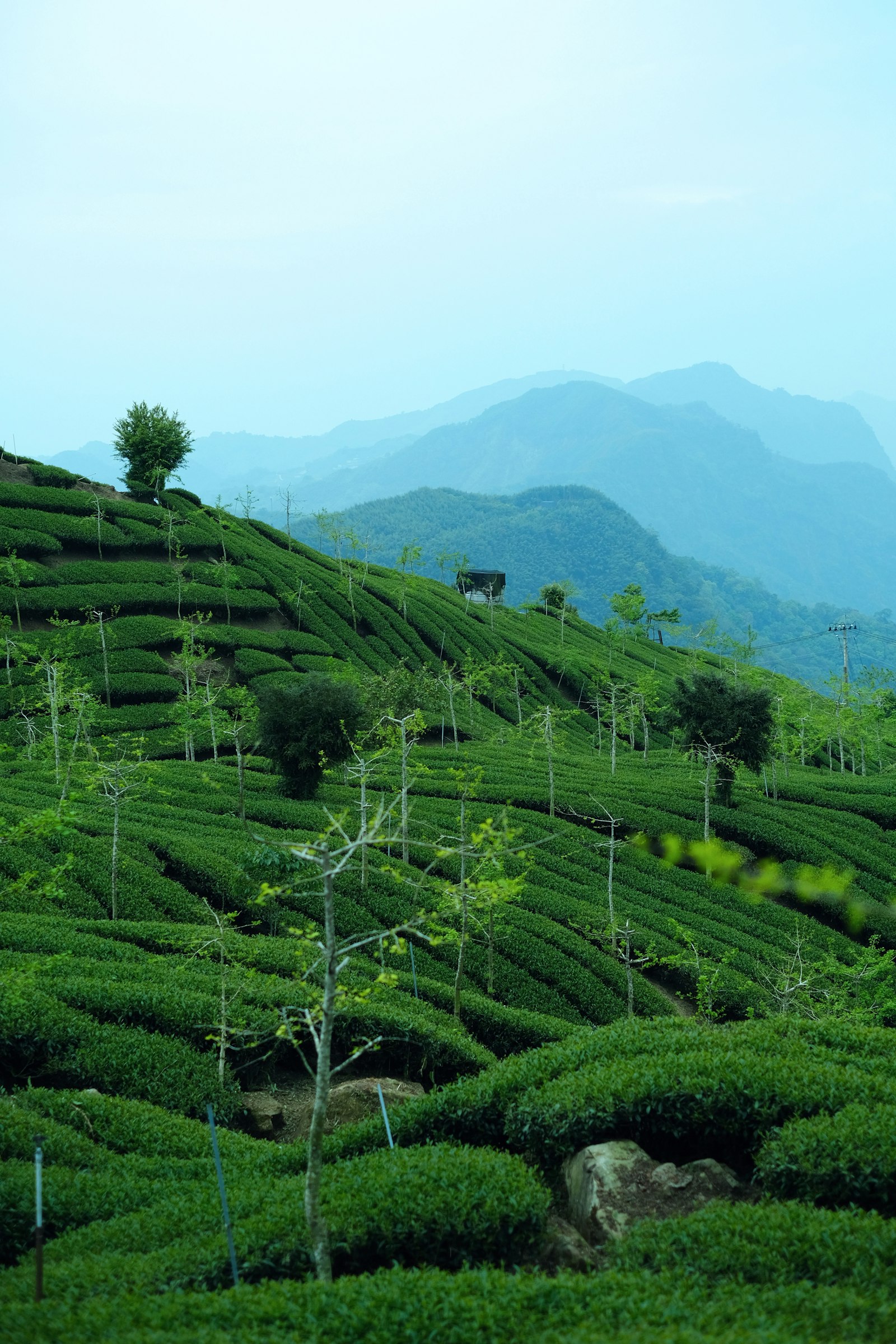
High-mountain oolong
Taiwan
On a small island with very high mountains, Taiwanese makers have become masters of oolong, from floral, creamy teas grown above 1,000 metres to deeply roasted ones.
Regions to know
- Alishan and Lishan: rolled high-mountain oolongs, floral and buttery
- Lugu, Nantou: Dong Ding, a rolled oolong with a warm roast
- Hsinchu and Miaoli: Oriental Beauty, made from leaves nibbled by tiny leafhoppers, which gives it a honeyed taste
Read: Gongfu brewing, step by step and Slow tea: the hour-long ritual. On the road: Alishan.
In the tea cellar: Alishan High Mountain Oolong, Dong Ding Roasted Oolong and Oriental Beauty Oolong.
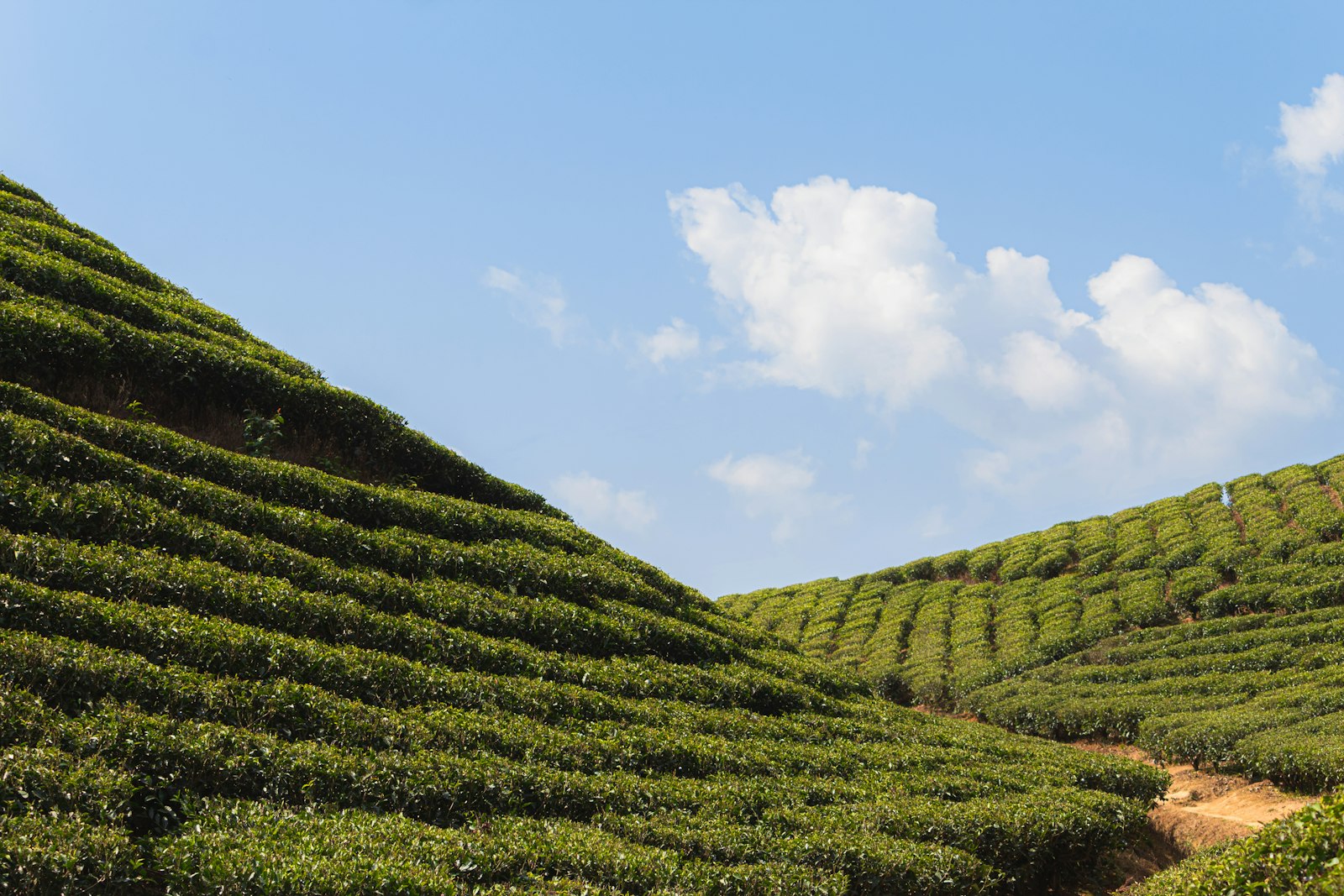
From Himalaya to Assam
India
India is one of the world’s biggest tea growers, and its regions could hardly be more different, from misty Himalayan slopes to a hot, wide river valley.
Regions to know
- Darjeeling: delicate, flowery black teas, picked in seasons called flushes
- Assam: strong, malty tea from the Brahmaputra valley, the heart of a breakfast cup or a masala chai
- Nilgiri: fragrant, smooth teas from the hills of the south
Read: Stovetop masala chai and How to taste tea like a professional. On the road: Darjeeling hills.
In the tea cellar: Darjeeling First Flush, Assam Golden Breakfast and House Masala Chai.
Ceylon tea
Sri Lanka
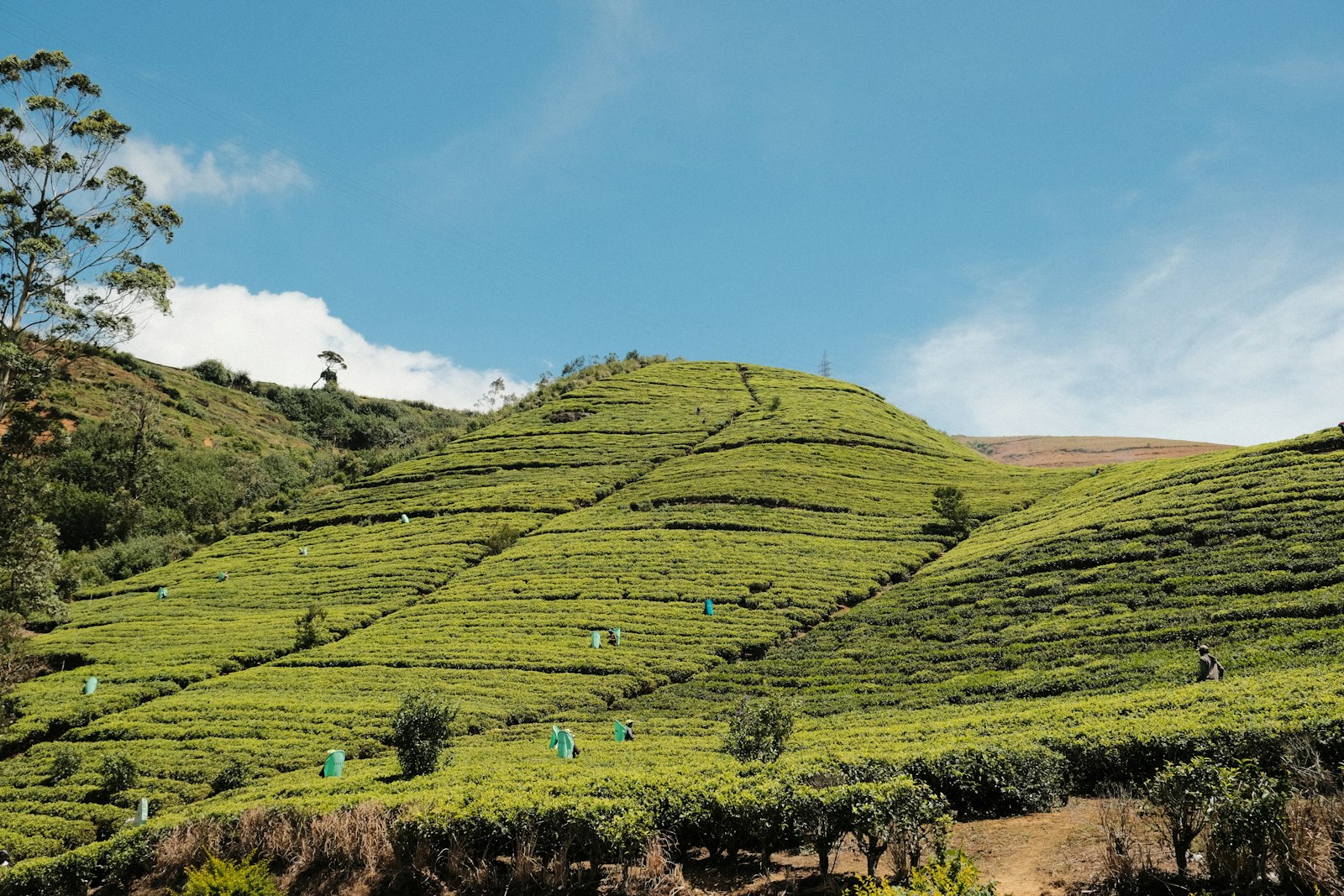
Still sold as Ceylon tea, Sri Lanka’s teas are usually grouped by how high they grow. Higher gardens tend to give lighter, brighter cups.
Regions to know
- Nuwara Eliya: the highest gardens, with light, fragrant teas
- Uva: brisk teas from the eastern slopes
- Dimbula: full, bright teas from the western slopes
Read: How to taste tea like a professional and Water, heat and vessels: the science of a good cup.
In the tea cellar: Ceylon Nuwara Eliya.
Kenya, Morocco & the Cape
Africa
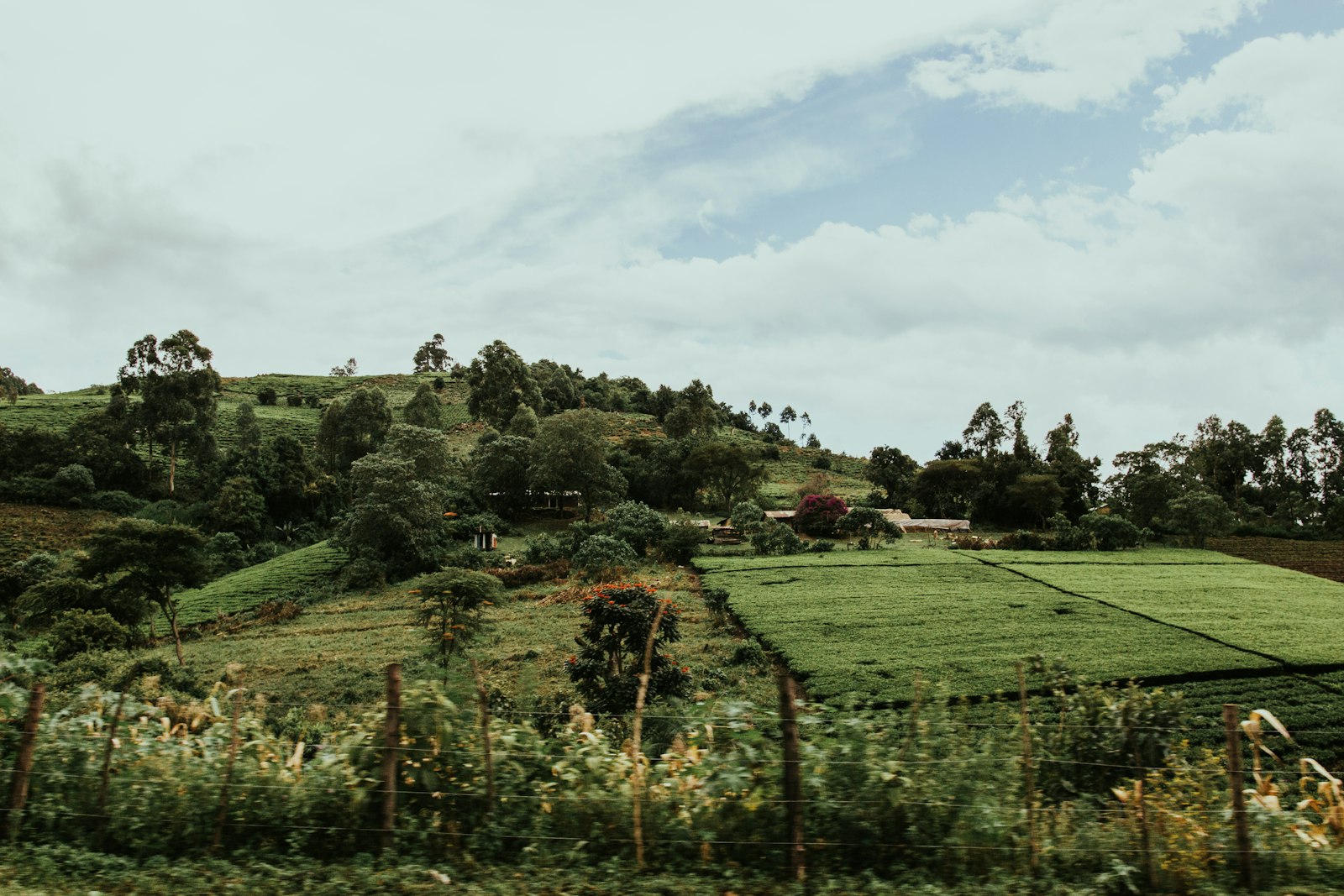
Africa grows a great deal of the world’s tea, and it is also home to some of the best-loved infusions that don’t come from the tea plant at all.
Regions to know
- Kenya: strong, coppery black teas from the highlands near the equator
- Morocco: Chinese green tea brewed sweet with fresh mint and poured from a height
- South Africa: rooibos, which grows only in the Cederberg region
- Egypt and Sudan: hibiscus, brewed as the ruby-red karkade
Read: The families of tea, explained and Cold brew tea. On the road: Kericho highlands.
In the tea cellar: Kenyan Highland Black, Moroccan Mint, Red Rooibos and Hibiscus Karkade.
Yerba mate
South America
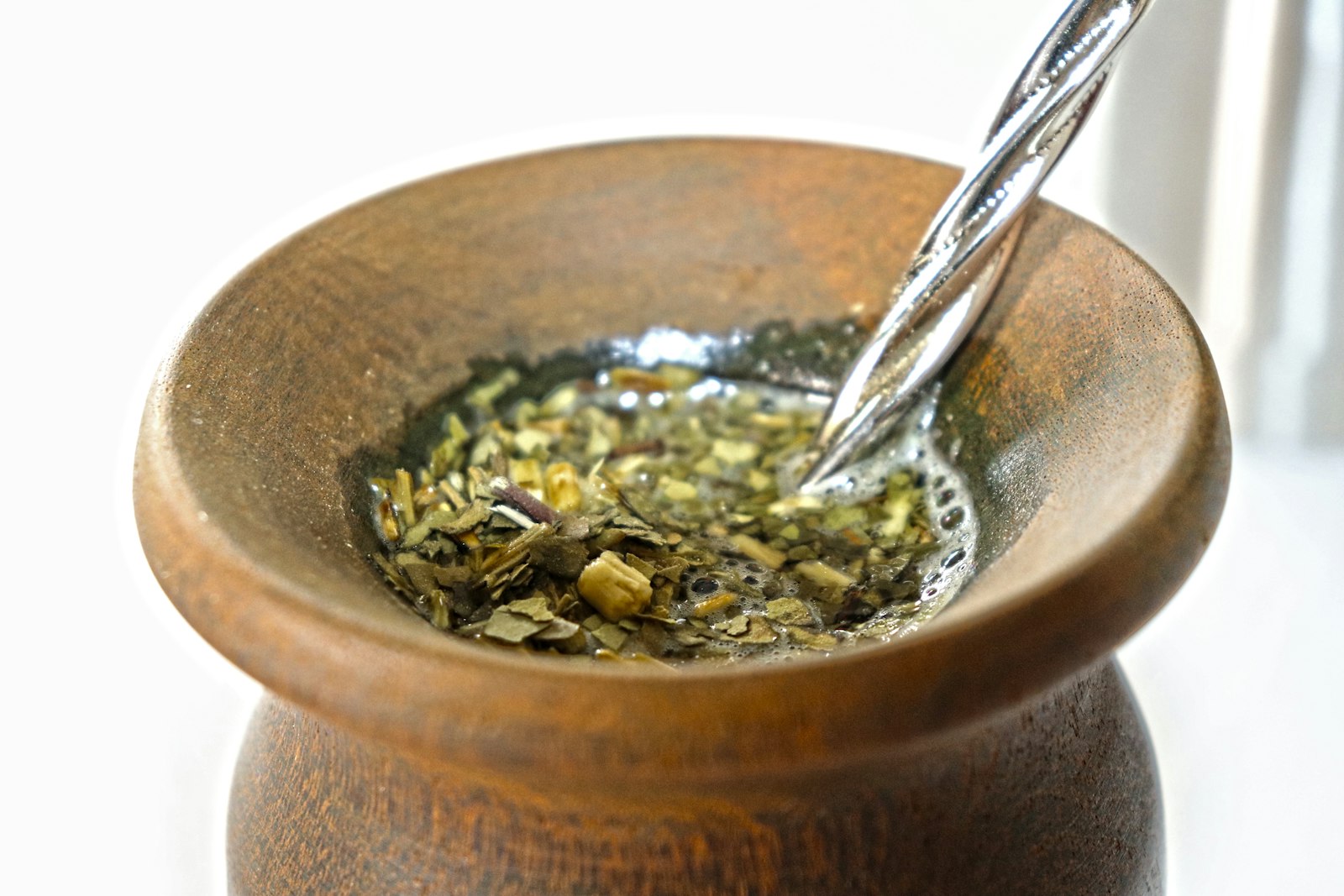
In Argentina, Uruguay, Paraguay and southern Brazil, yerba mate is shared from a gourd through a metal straw called a bombilla, and topped up again and again with hot, not boiling, water.
Regions to know
- Argentina, Paraguay, Uruguay and southern Brazil: yerba mate, made from the leaves of a holly tree
Read: Water temperature & steeping chart and The families of tea, explained.
In the tea cellar: Yerba Mate Traditional.
Flowers, leaves & fruit
Herbal infusions
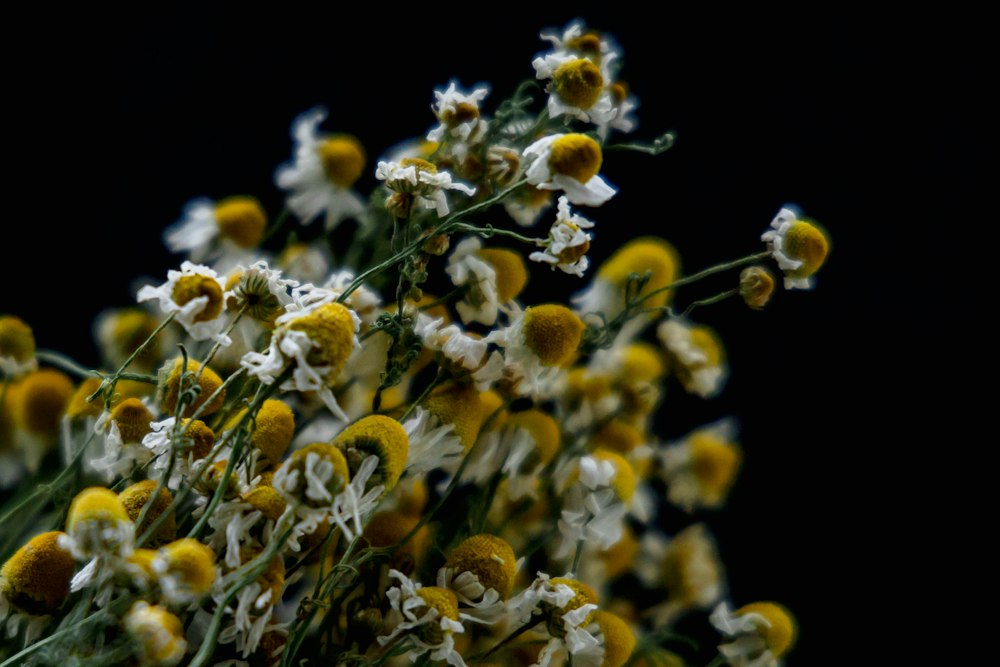
Herbal infusions, or tisanes, are made without the tea plant. They are brewed hotter and longer than tea, and most are naturally caffeine-free. We enjoy them purely for their flavour.
Regions to know
- Chamomile, linden and peppermint: gentle, familiar classics
- Balkan mountain tea: the flowering stems of sideritis, gathered in the high Balkans
Read: The families of tea, explained and Cold brew tea.
In the tea cellar: Whole Chamomile Flowers, Linden Blossom, Balkan Mountain Herbs and Peppermint Leaf.