Science & tools · 8 min read
Water, heat and vessels: the science of a good cup
A cup of tea is about 99% water. Why the water you choose, how hot it is and what you brew in all change the taste.
What temperature actually does
Tea leaves hold many flavour compounds, and they don’t all dissolve at the same rate. The sweet, savoury amino acids (L-theanine is the best known) come out easily, even in cool water. The catechins, which bring bitterness and a drying astringency, and caffeine, which is also bitter, dissolve much faster as the water gets hotter.
That is why delicate green teas and gyokuro are brewed cool: you keep the sweetness and hold back the bitterness. Black teas, roasted oolongs and pu-erh have been changed by oxidation, roasting or fermentation, and they need hotter water to open up fully.
The water itself
- Hard water (lots of calcium and magnesium, and usually bicarbonate) makes tea darker and duller, and often leaves a film on the surface.
- Completely pure water, distilled or reverse-osmosis with nothing added back, tastes flat and hollow in tea.
- Soft water with a little mineral content is the sweet spot. Many tea drinkers use filtered tap water or a low-mineral bottled spring water.
- Fresh water, boiled once. Many tea drinkers find repeatedly reboiled water makes a flatter cup.
Try this: brew the same tea side by side with your tap water and a low-mineral bottled water. It is the quickest way to hear what your water is saying.
Vessels and heat
A small vessel holds very little water, so it cools quickly, and the vessel’s material decides how fast.
- Porcelain is dense and glazed. It holds a moderate amount of heat and adds no flavour, so it is honest with every tea.
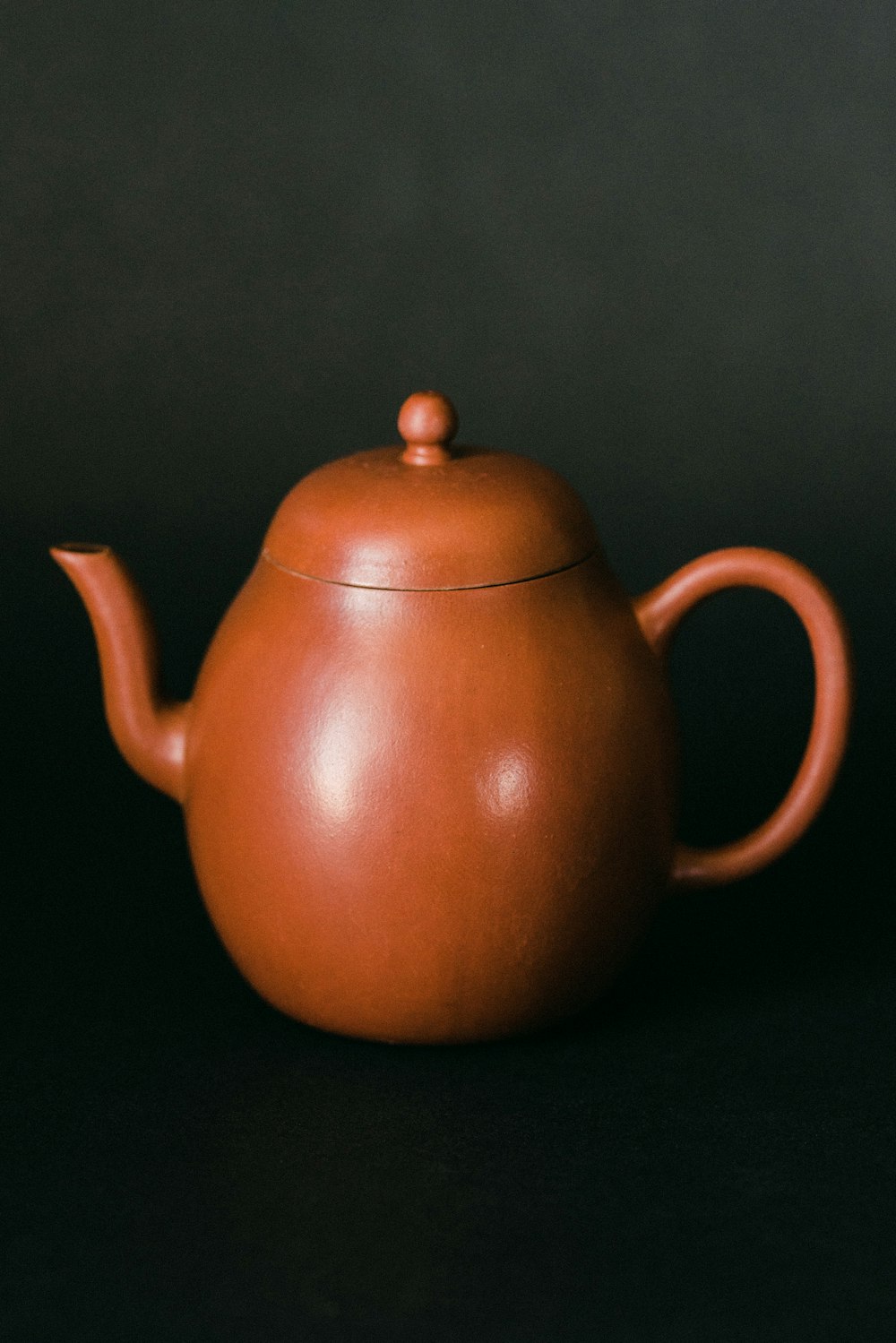
- Unglazed clay (such as Yixing-style pots) is slightly porous and holds heat well. Over time it absorbs oils from the tea, which is why people keep one pot for one family of tea.
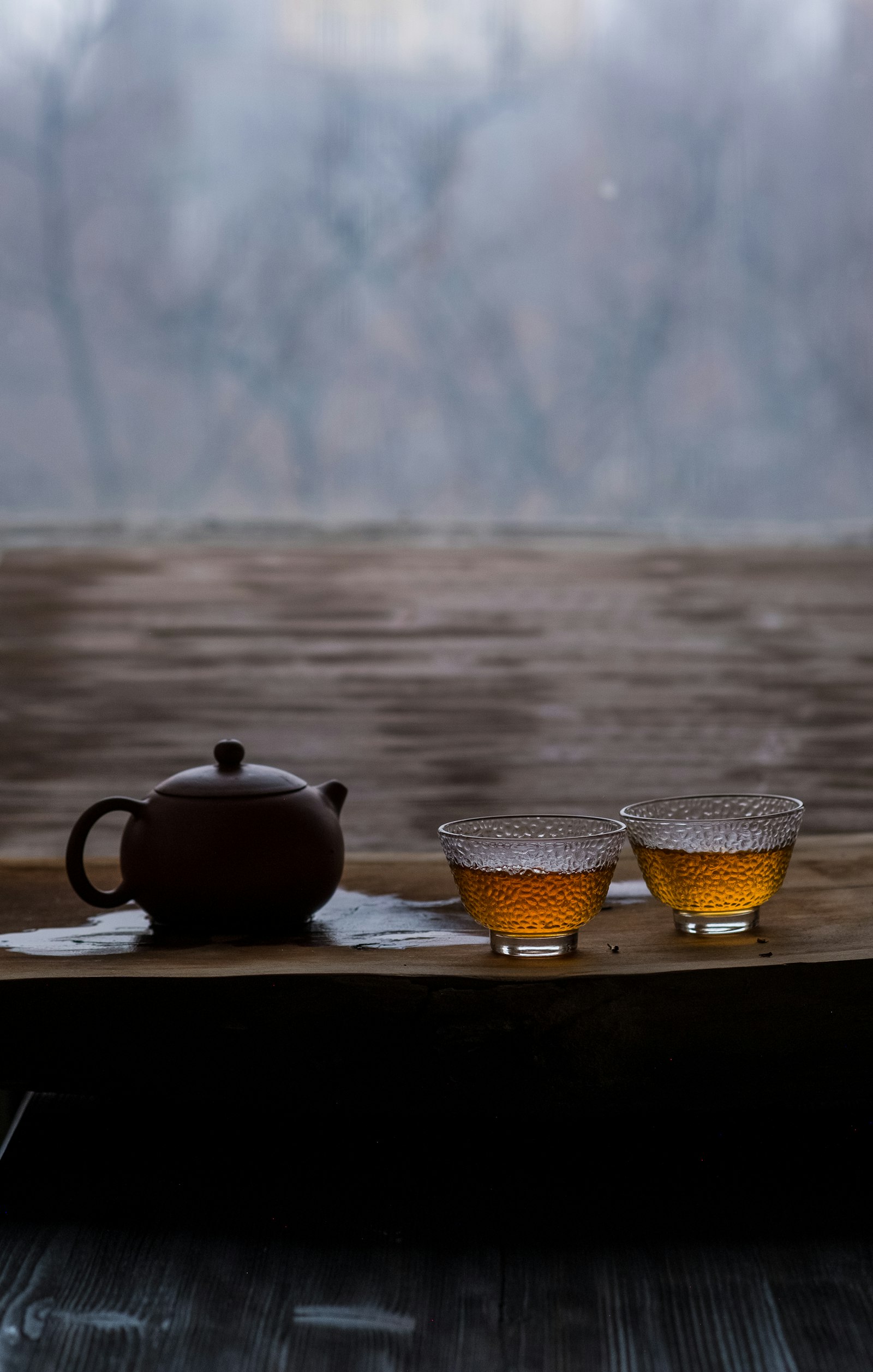
- Glass shows the leaves and colour but loses heat fast. Lovely for greens and flowering teas.
- Thick stoneware and cast iron hold heat longest: good for black teas and herbals.
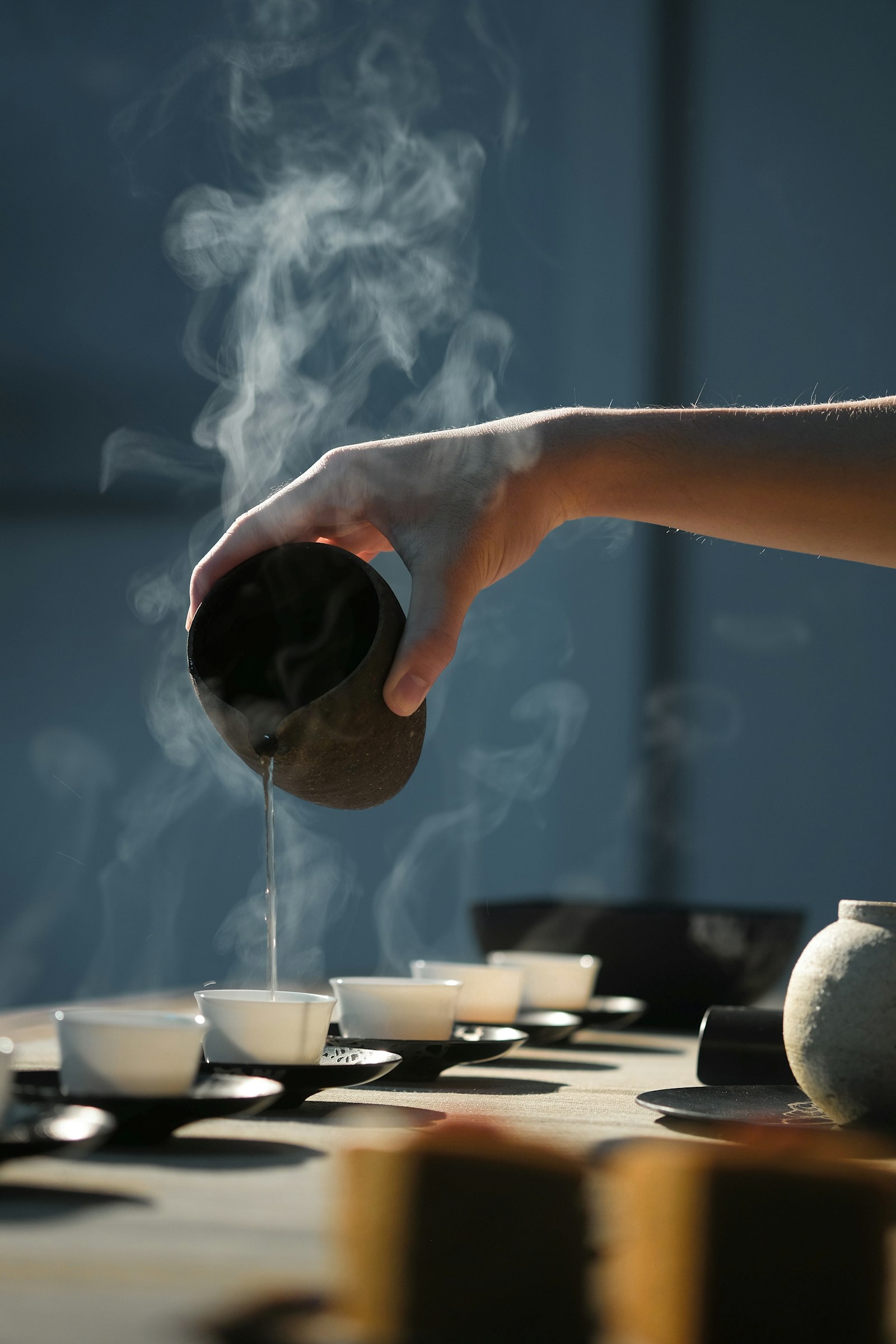
Whatever you use, warm it first. Pouring 95 °C water into a cold cup can drop it to 80 °C in seconds.
Leaf-to-water ratio
More leaf in less water gives a stronger infusion in less time, with less bitterness than a long steep. That is the whole idea behind gongfu brewing, and it is why, when a tea is weak, the answer is usually more leaf rather than more minutes.
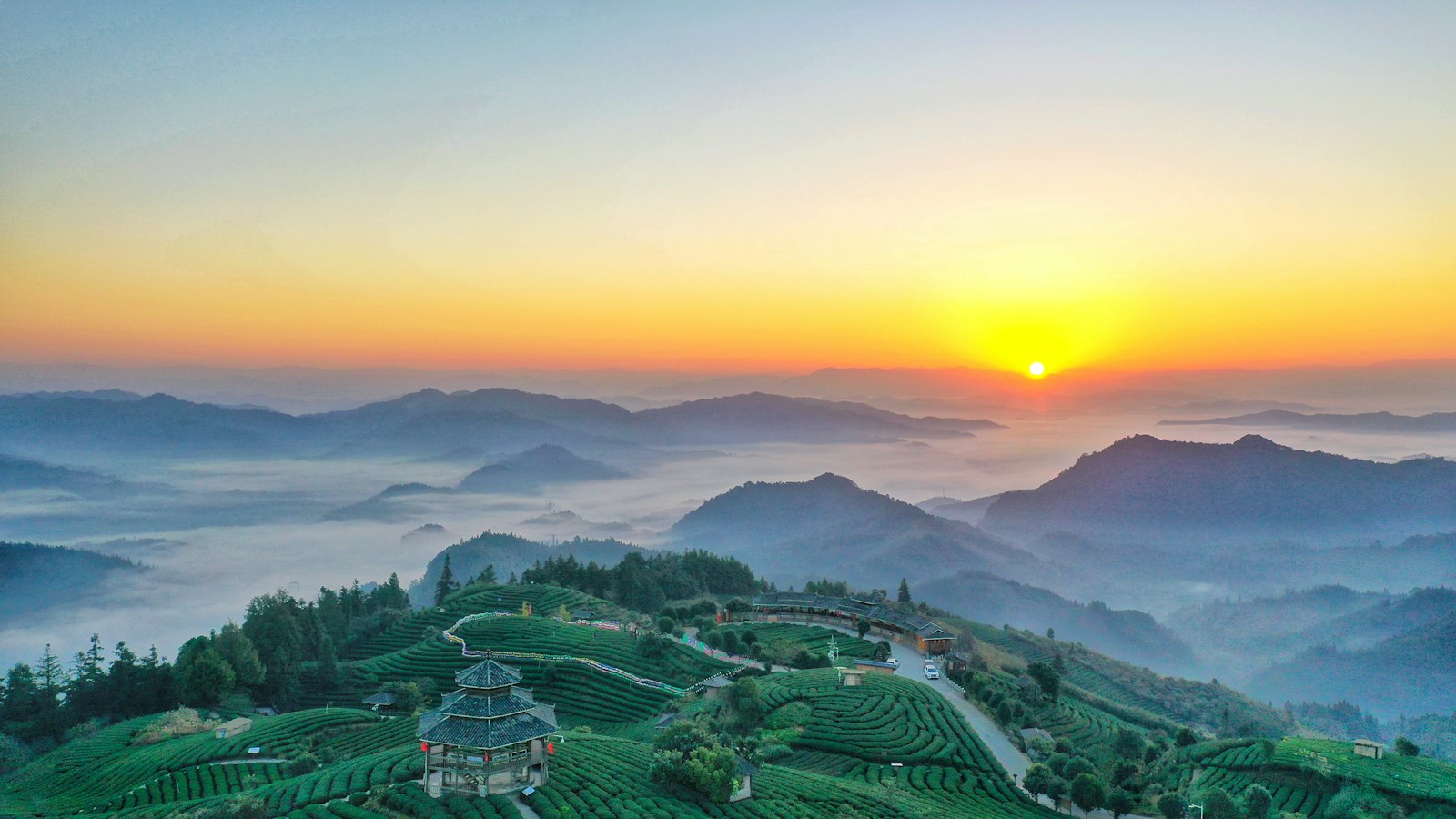
On the road: Darjeeling hills.