Brewing techniques · 6 min read
Slow tea: the hour-long ritual
Asaya often spends about an hour on a single tea. Here is one way an hour like that can unfold, and why taking the time is worth it.
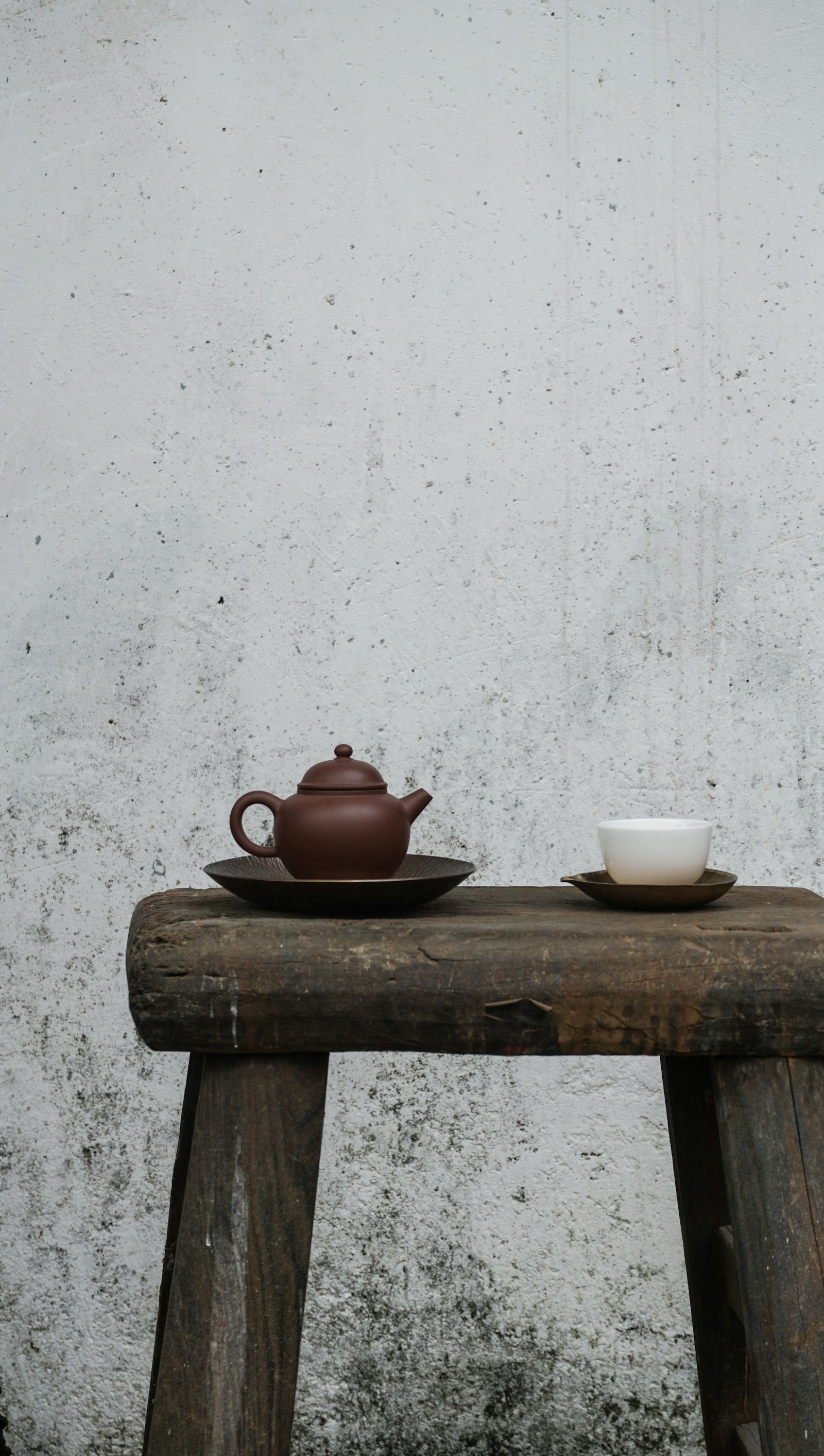
An hour for one tea can sound excessive. But a good oolong or pu-erh opens slowly, changing over ten or more infusions, and the only way to meet all of it is to give it time. The hour is also a pause: a reason to put the phone away and pay attention to one thing.
This is not a fixed ceremony, just one shape an hour with a tea can take.
Minutes 0–10: prepare
- Choose the tea for your mood and the time of day.
- Fresh water in the kettle, heated to the right temperature for that tea.
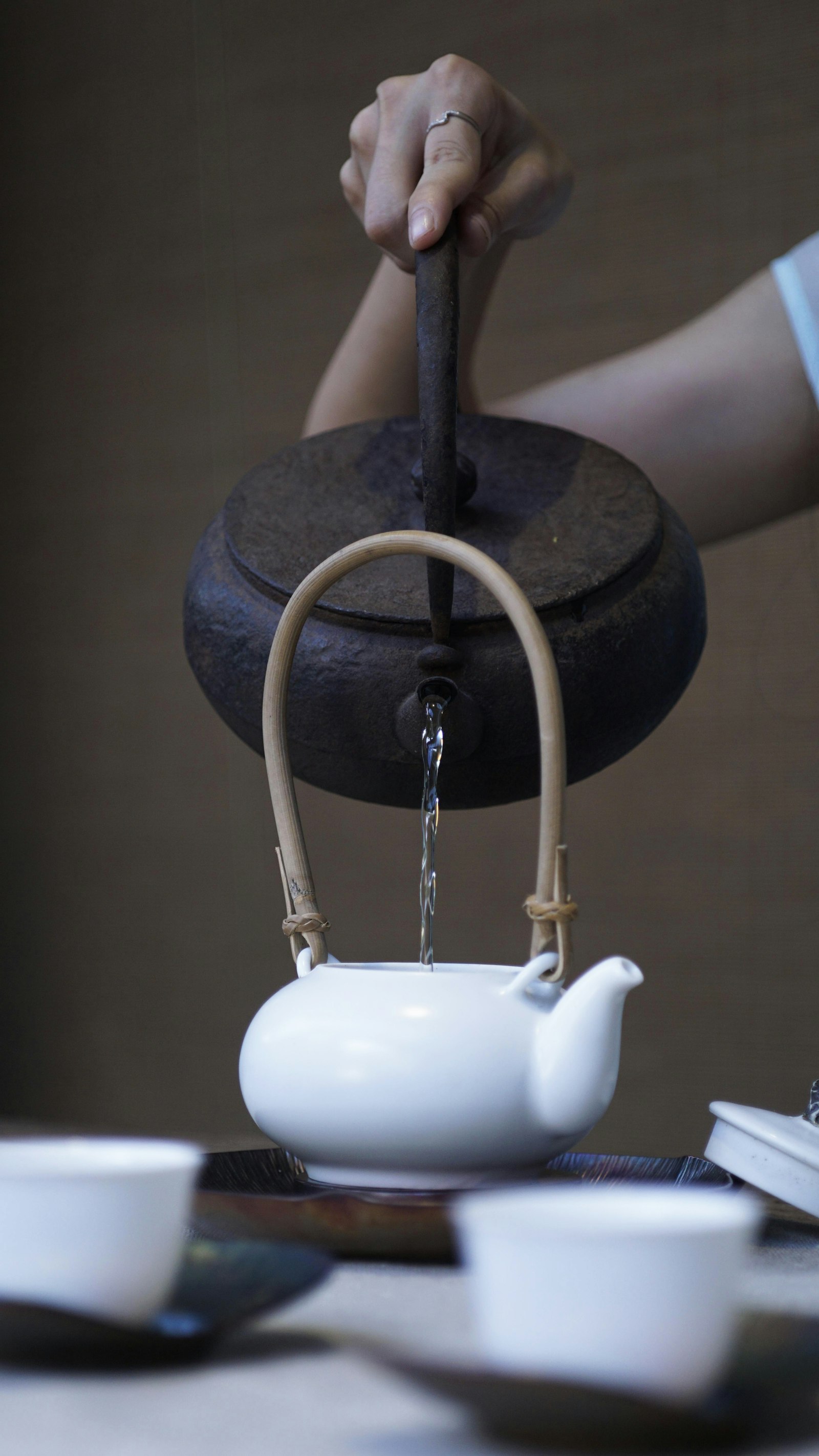
- Lay out the tools: vessel, pitcher, cups, a tray to catch spills. Rinse everything with hot water to warm it.
Minutes 10–15: meet the leaf
Weigh the leaf and look at it: its colour, shape and size. Put it in the warm vessel, close the lid, shake it gently and smell. Warm dry leaf gives off aromas you will never smell again once it is wet.
Minutes 15–50: the infusions
Rinse the leaf if the tea needs it, then begin. Short steeps first. After each pour, smell the lid, look at the colour of the liquor, and taste: sweetness, bitterness, texture, and what lingers after you swallow. Notice when the tea peaks, often around the third to fifth infusion, and how it softens after.
Minutes 50–60: the long finish and the spent leaf
Give the last infusions a minute or more to draw out what is left. Then tip the leaves onto a dish and look at them: whole leaves or broken, buds, the colour of oxidation at the edges. The spent leaf tells you a lot about how the tea was picked and made.
Afterwards: write it down
A few lines in a notebook (the tea, leaf weight, temperature, times and what you tasted) turn one good session into a better next one.
No hour to spare? Take ten minutes with three short infusions and the same attention. The attention is the ritual; the clock is optional.
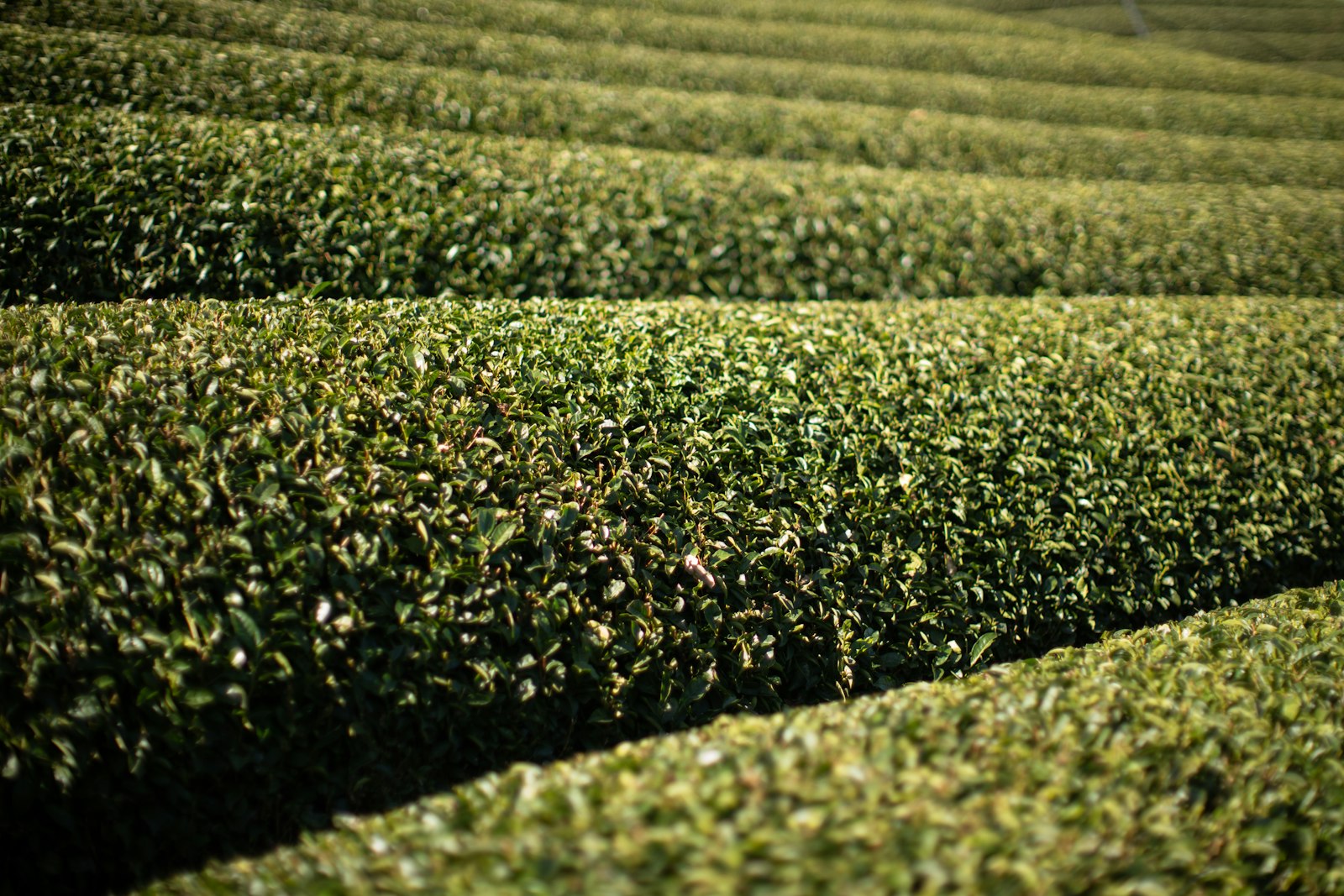
On the road: Alishan.