Brewing techniques · 5 min read
How to whisk matcha
Sift, pour, whisk: a smooth, foamy bowl of usucha in two minutes, and the thicker koicha when you are ready.
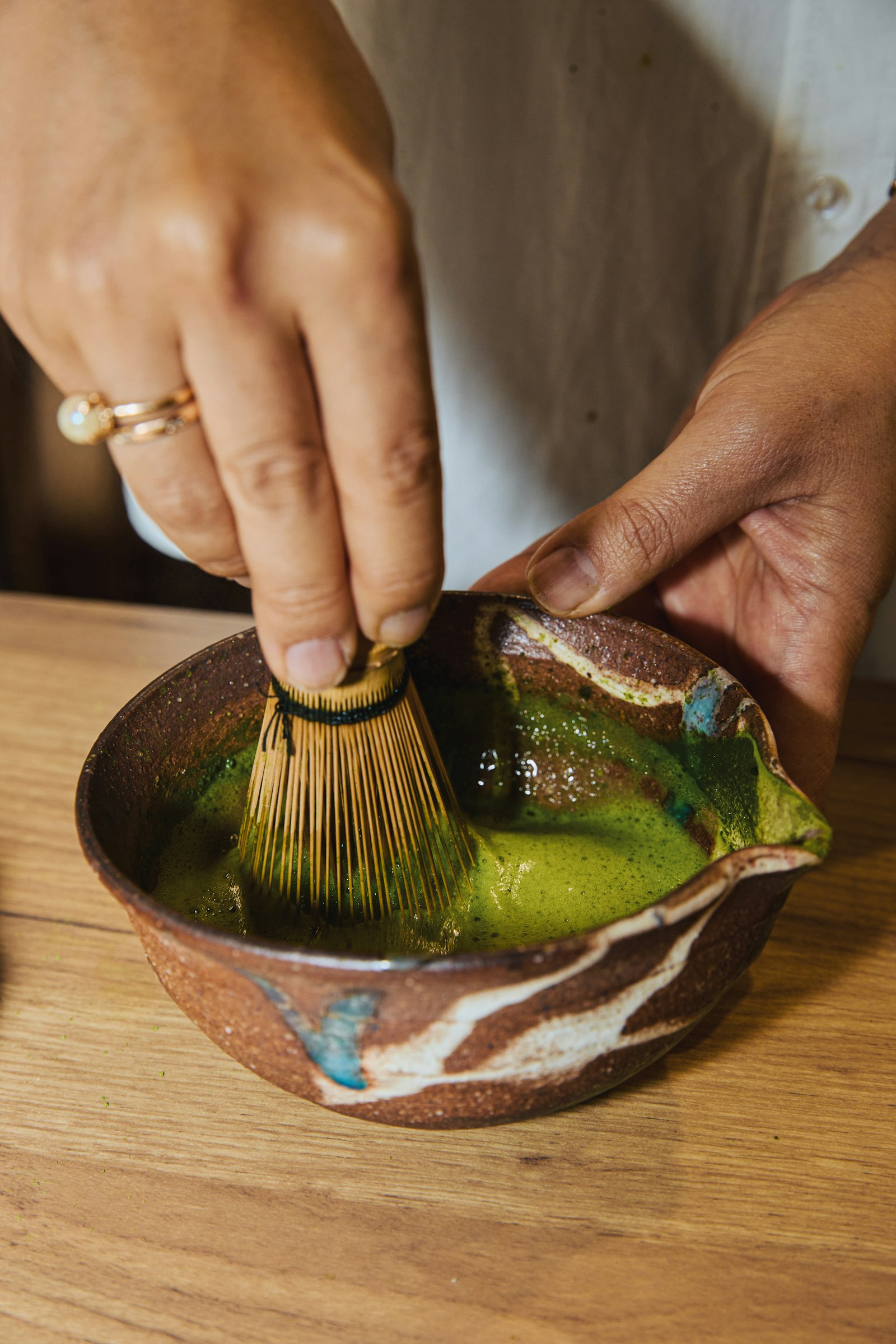
Matcha is green tea ground to a fine powder. You don’t steep it; you whisk it into water and drink the whole leaf. The everyday bowl is usucha, thin tea: light, frothy and sweet.
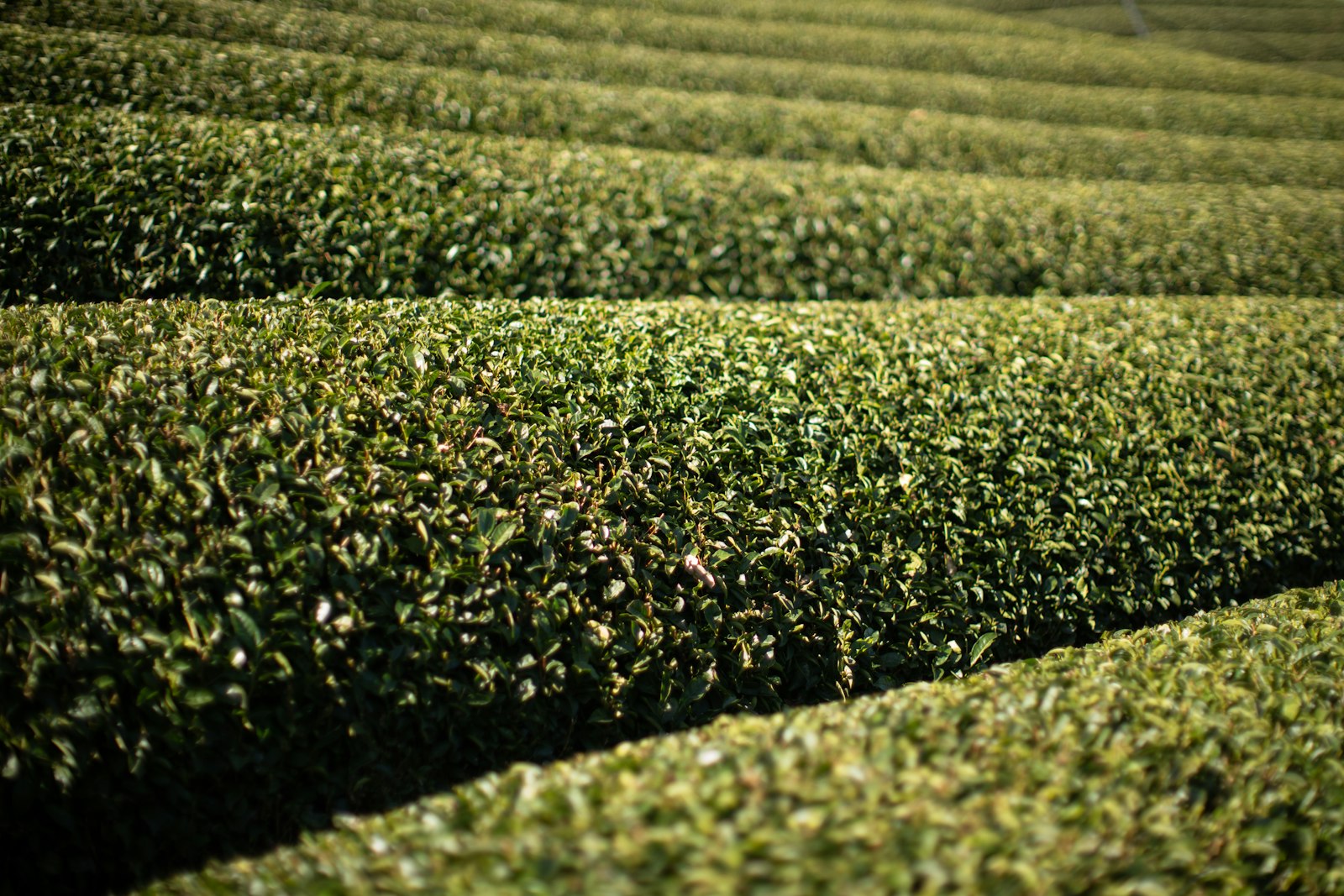
Matcha starts as tencha: leaves shaded for several weeks before picking, which makes them deep green and rich in savoury flavour, then steamed, dried, de-veined and slowly ground between stones.
What you need
- Matcha, ideally a ceremonial grade for drinking with water alone.
- A chasen, the bamboo whisk. It is the one tool you can’t really replace.
- A chawan, or any wide bowl with room for the whisk to move.
- A small sieve and a kettle you can set to 75–80 °C.
Usucha, step by step
- Soak the whisk. Stand the chasen in a little hot water for a minute. Soft prongs whisk better and don’t snap.
- Warm the bowl. Swirl the hot water round the bowl, pour it out and wipe the bowl dry.
- Sift 2 g of matcha (about two bamboo scoops, or a level teaspoon) into the bowl. Sifting is what stops lumps.
- Add 60 to 70 ml of water at 75 to 80 °C. Boiling water makes matcha bitter.
- Whisk. Hold the bowl steady, keep the whisk upright just off the bottom, and move it quickly from the wrist in an M or W shape, not in circles. About 15 seconds.
- Finish. When there is a fine, even foam, slow down and skim the surface to pop the big bubbles. Lift the whisk from the centre.
- Drink it right away, before the powder settles.
Koicha, thick tea
For koicha use about 4 g of ceremonial matcha with 30 to 40 ml of water. Don’t whisk for foam; knead it slowly with the whisk until it is glossy and smooth. Use only your best matcha: every flaw shows.
Looking after matcha and the chasen
- Once opened, keep the tin sealed in the fridge and use it within about a month. Let it come to room temperature before opening, so no moisture gets in.
- Rinse the chasen in warm water only, no soap, and dry it on a whisk holder so the prongs keep their shape.
On the road: Uji, near Kyoto.